
Collector, Exotic & Antique Car Insurance: Agreed Value vs. Stated Value

/* Inline styles converted to CSS */
.metasync-inline-1 { border-collapse: collapse; }
.metasync-inline-2 { border: 1px solid rgb(193,193,193); padding: 6px; background-color: rgb(233,233,233); text-align: center; }
.metasync-inline-3 { border: 1px solid rgb(193,193,193); padding: 6px; background-color: rgb(233,233,233); text-align: center; }
.metasync-inline-4 { border: 1px solid rgb(193,193,193); padding: 6px; background-color: rgb(233,233,233); text-align: center; }
.metasync-inline-5 { border: 1px solid rgb(193,193,193); padding: 6px; }
.metasync-inline-6 { border: 1px solid rgb(193,193,193); padding: 6px; }
.metasync-inline-7 { border: 1px solid rgb(193,193,193); padding: 6px; }
.metasync-inline-8 { border: 1px solid rgb(193,193,193); padding: 6px; }
.metasync-inline-9 { border: 1px solid rgb(193,193,193); padding: 6px; }
.metasync-inline-10 { border: 1px solid rgb(193,193,193); padding: 6px; }
.metasync-inline-11 { border-collapse: collapse; }
.metasync-inline-12 { border: 1px solid rgb(193,193,193); padding: 6px; background-color: rgb(233,233,233); text-align: center; }
.metasync-inline-13 { border: 1px solid rgb(193,193,193); padding: 6px; background-color: rgb(233,233,233); text-align: center; }
.metasync-inline-14 { border: 1px solid rgb(193,193,193); padding: 6px; background-color: rgb(233,233,233); text-align: center; }
.metasync-inline-15 { border: 1px solid rgb(193,193,193); padding: 6px; }
.metasync-inline-16 { border: 1px solid rgb(193,193,193); padding: 6px; }
.metasync-inline-17 { border: 1px solid rgb(193,193,193); padding: 6px; }
.metasync-inline-18 { border: 1px solid rgb(193,193,193); padding: 6px; }
.metasync-inline-19 { border: 1px solid rgb(193,193,193); padding: 6px; }
.metasync-inline-20 { border: 1px solid rgb(193,193,193); padding: 6px; }
.metasync-inline-21 { border: 1px solid rgb(193,193,193); padding: 6px; }
.metasync-inline-22 { border: 1px solid rgb(193,193,193); padding: 6px; }
.metasync-inline-23 { border: 1px solid rgb(193,193,193); padding: 6px; }
.metasync-inline-24 { border: 1px solid rgb(193,193,193); padding: 6px; }
.metasync-inline-25 { border: 1px solid rgb(193,193,193); padding: 6px; }
.metasync-inline-26 { border: 1px solid rgb(193,193,193); padding: 6px; }
v5 72170 regen 62ec519a

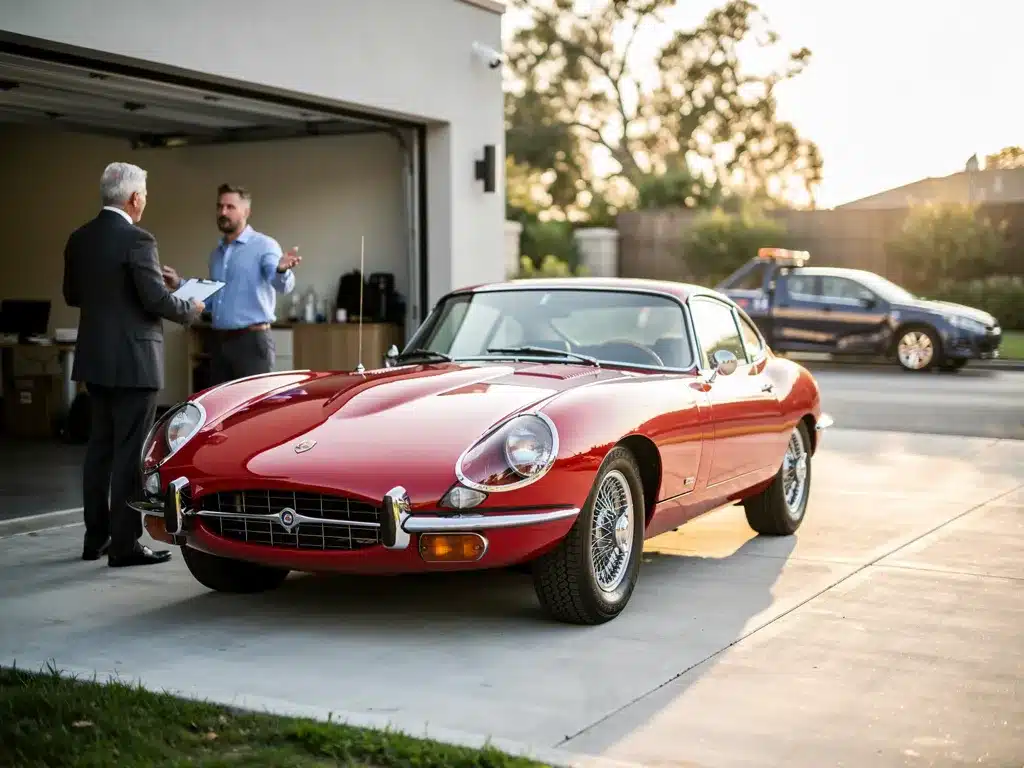
Agreed value locks in a guaranteed payout for a totaled collector car, whereas stated value caps reimbursement at a declared amount but permits depreciation deductions. Coastal Insurance Solutions advises high-net-worth clients that agreed value eliminates negotiation after a loss. Chubb, a carrier the agency represents, offers this certainty for exotic and antique vehicles.

Key Takeaways for Auto Insurance for Collector Cars and Collector Antique Exotic Car Insurance

  • Agreed value guarantees a fixed payout for a totaled collector car, eliminating depreciation deductions.
  • Stated value caps reimbursement at a declared amount but allows the carrier to pay actual cash value.
  • Selecting the wrong valuation method can leave owners underinsured by tens of thousands of dollars after a loss.
  • Agreed value locks in the vehicle's worth before a claim, removing negotiation and surprise adjustments.

Why Does Collector Car Valuation Matter in Auto Insurance for Collector Cars?
v5 72170 regen 4265c20d

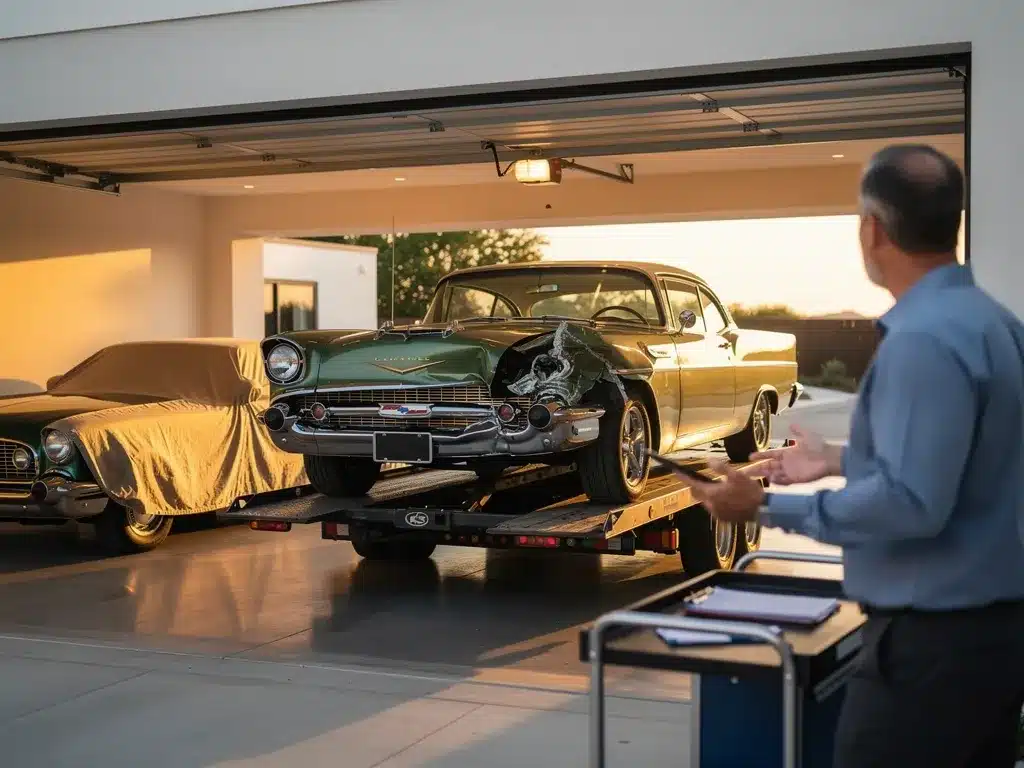
Collector car valuation determines the exact payout after a total loss. A wrong valuation method leaves owners underinsured by tens of thousands of dollars. Classic cars occupy a rare space where passion and investment intersect, and their value extends far beyond transportation. Some are preserved in garages as rolling history, while others are driven and enjoyed as often as possible. That dual identity creates a valuation challenge standard auto policies never address.

Unlike standard vehicles that depreciate predictably, collector cars appreciate, stabilize, or fluctuate based on rarity, condition, restoration quality, and market demand. A Corvette restored to concours standards carries a different value than the same model with replacement panels. Auto insurance for collector cars must reflect that reality. Collector antique exotic car insurance built on agreed value auto insurance locks in the vehicle’s true worth before a claim occurs.

What Happens When a Collector Car Is Undervalued in Collector Antique Exotic Car Insurance?
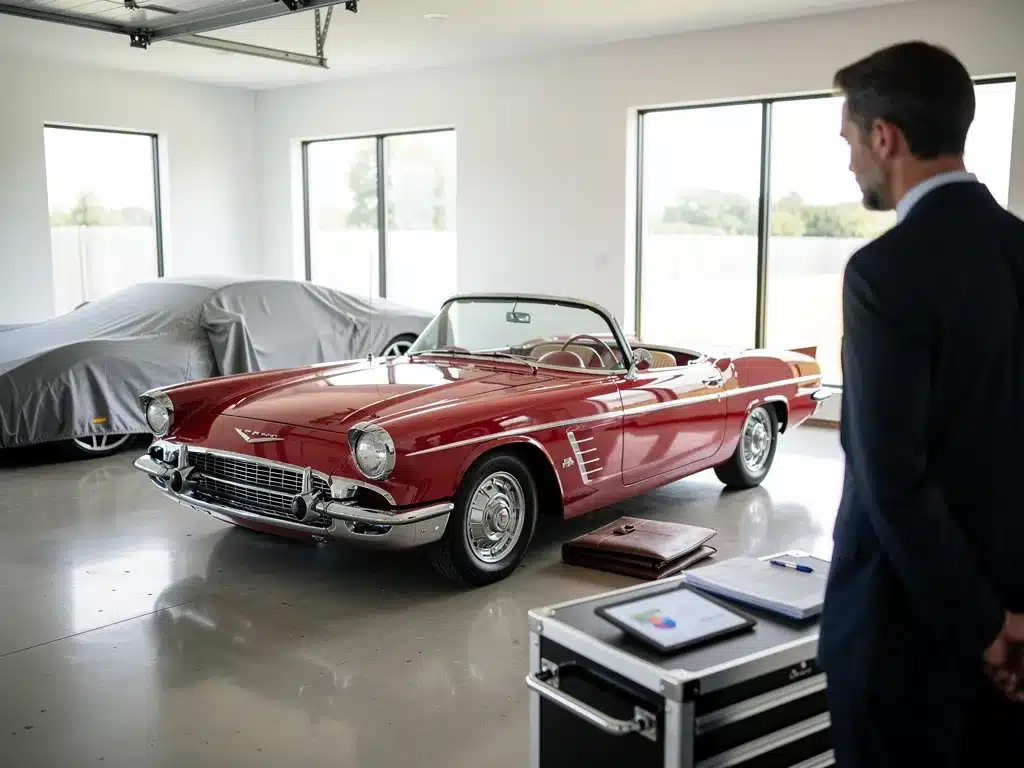
The owner absorbs the difference between the payout and the actual market value. That gap often reaches five figures on rare or restored vehicles. Coastal Insurance Solutions addresses this exposure through specialized carrier relationships. The agency represents major homeowners’ insurance carriers and provides high-value auto coverage for affluent clients.

How Does Agreed Value Protect Collector Car Owners in Auto Insurance for Collector Cars?

Agreed value guarantees the insured amount stated in the policy. No depreciation applies at claim time. The agency maintains relationships with leading carriers, such as Chubb, AIG Private Client Group, PURE, Travelers, Progressive, National General, Neptune Flood, and others. The valuation process documents condition, provenance, and restoration quality before binding coverage. That documentation becomes the foundation for a claim settlement that matches the owner’s financial commitment.

What Is Agreed Value Auto Insurance for Collector Antique Exotic Car Insurance?

v5 72170 regen 8fab17da

Agreed value auto insurance sets a fixed payout amount before any loss occurs. The policy locks in a specific dollar figure that the insurer pays in full for a total loss. Stated value, by contrast, can pay significantly less.

For owners of classic, antique, or exotic vehicles, this distinction carries enormous financial consequences. A standard policy that depreciates a rare automobile erases years of appreciation and restoration investment overnight. Agreed value eliminates that risk entirely. The owner and the carrier sign off on the vehicle’s worth upfront, and that number becomes the guaranteed settlement.

How Does Agreed Value Differ From Stated Value in Auto Insurance for Collector Cars?

Agreed value pays the full, exact dollar amount the owner and the insurance company agree on in advance. There is no depreciation calculation. There is no surprise adjustment after a claim.

Stated value works differently. The owner states a value, but the carrier retains the right to pay only the actual cash value at the time of loss. That figure frequently falls well below the stated amount. Collector antique exotic car insurance built on a stated value structure leaves owners exposed to a significant coverage gap. Only agreed value provides the proper coverage for a classic collector vehicle.

Why Does Valuation Method Matter for Collector Vehicles in Collector Antique Exotic Car Insurance?

Auto insurance for collector cars must reflect the asset’s true market position. Collector vehicles do not depreciate like daily drivers. A properly maintained numbers-matching vintage Porsche appreciates over time. A stated value policy treats the car like a depreciating commodity. The loss settlement can miss the real replacement cost by tens of thousands of dollars.

The agency maintains relationships with leading carriers such as Chubb, AIG Private Client Group, and PURE. These insurers specialize in high-value asset protection and structure agreed value policies that honor the vehicle’s documented worth. The result is certainty. A total loss triggers a payment that matches the figure on the declarations page, without negotiation or reduction.

How Does Stated Value Coverage Differ in Auto Insurance for Collector Cars?

v5 72170 regen 8f688fdf

Stated value coverage does not guarantee the amount printed on the declarations page. A stated value policy typically pays the lower of the stated amount or the actual cash value of the vehicle at the time of loss. This is a crucial contract detail that directly decides how much money a client receives after a total loss. Owners who misunderstand this mechanism face severe financial shortfalls.

The gap between expectation and reality widens when depreciation enters the calculation. Standard market depreciation erodes the payout, even if the owner listed a higher figure. Policies that fail to recognize a vehicle’s true worth leave owners exposed at precisely the wrong moment. The emotional toll of losing a prized automobile compounds when the settlement check arrives far below the vehicle’s market value.

What does a stated value policy actually pay after a total loss in Collector Antique Exotic Car Insurance?

The insurer calculates the vehicle’s actual cash value immediately before the incident. That figure is then compared against the stated amount on the policy. The settlement equals whichever number is lower. Depreciation and market adjustments routinely push the actual cash value below the stated amount.

Why do stated value policies create risk for collector car owners in Auto Insurance for Collector Cars?

Collector vehicles appreciate or hold value in ways standard auto policies never account for. A stated value contract applies standard depreciation logic to an asset that defies it. The owner carries the entire gap between the stated amount and the true replacement cost. Coastal Insurance Solutions assesses client exposures and matches them with tailored policies from a broad panel of respected carriers, helping owners avoid this structural mismatch.

Valuation TypePayout DeterminationDepreciation Applied
Stated ValueLower of stated amount or actual cash valueYes
Agreed ValueFull agreed amount listed on policyNo

The table above clarifies the fundamental contract difference. Stated value introduces a depreciation variable that agreed value eliminates entirely. For collector antique exotic car insurance, this distinction determines whether a total loss results in full restoration funding or a fraction of the needed sum. Auto insurance for collector cars built on stated value language carries an inherent shortfall risk that agreed value auto insurance contracts remove from the equation.

What Should You Document for a Collector Car in Auto Insurance for Collector Cars?

Documenting a collector car properly determines the payout after a loss. A complete file supports an agreed value auto insurance policy and eliminates disputes before they start.

What Does a Professional Appraisal Cover for Collector Antique Exotic Car Insurance?

A certified appraiser examines the vehicle in person and produces a formal report. The report captures the car’s condition, originality, and market position. Insurers rely on this document to lock in the agreed value at policy inception. Without it, the carrier defaults to assumptions that rarely favor the owner.

How Does Restoration Style Affect the File for Auto Insurance for Collector Cars?

The distinction between a restomod and a numbers-matching build changes the valuation approach. A numbers-matching car retains its factory drivetrain and components. A restomod incorporates modern upgrades that alter the original specification. Each path attracts different buyers and different market comparables. The documentation package must clearly state which category the vehicle falls into. Photographs of VIN stamps, engine codes, and modification receipts provide the evidence an underwriter needs.

Collector antique exotic car insurance applications demand this level of detail. Generic auto policies lack the valuation structure to handle specialty vehicles. Advisors at Coastal Insurance Solutions evaluate these values and map deductibles to each client’s risk tolerance. The firm’s 50 employees bring centuries of combined experience to the review process. That depth catches valuation gaps before a policy is bound.

What Photographs and Records Matter Most for Collector Antique Exotic Car Insurance?

A systematic photo set tells the story an appraisal summarizes. Owners should capture the exterior from all four corners, the interior from both seats, the engine bay, the undercarriage, and the odometer. Close-ups of any flaws, wear, or restoration work are equally important. Maintenance logs, restoration invoices, and prior appraisal reports round out the file. These records transform a claim from a negotiation into a straightforward settlement.

How Do You Choose the Right Coverage for Auto Insurance for Collector Cars?

Selecting the right protection for a collector vehicle starts with understanding valuation methods. The wrong choice leaves owners underpaid after a total loss. Auto insurance for collector cars demands a fundamentally different approach than standard daily-driver policies. Only agreed value auto insurance guarantees a predetermined payout, making it the proper coverage for classic and collector vehicles.

What Is the Difference Between Agreed Value and Stated Value in Collector Antique Exotic Car Insurance?

Agreed value locks in a specific dollar amount that the insurer pays in full after a covered total loss. Stated value policies cap the payout at the stated amount but allow the insurer to pay less based on depreciation or market interpretation. The distinction is not academic. It determines exactly how much money arrives after a claim.

Why Does Agreed Value Matter for Collector Vehicles in Auto Insurance for Collector Cars?

Classic cars appreciate or hold value in ways standard automobiles do not. A conventional policy using actual cash value treats the vehicle as a depreciating asset. That mismatch creates a coverage gap that grows wider as the car’s market value rises. Collector antique exotic car insurance built on agreed value eliminates this gap entirely.

Coastal Insurance Solutions, headquartered in Rocky Point, New York, focuses on personal property protection for high-value assets. The company provides concierge-style, white-glove service designed to simplify complex insurance decisions. Advisors translate coverage terms into clear options and assemble packages aligned to each vehicle’s profile and risk. The agency serves clients across the majority of U.S. states with a digital-first approach that enables efficient consultations regardless of location.

Collector Antique Exotic Car Insurance Policy Perks

Collectors seeking comprehensive protection will find multiple policy benefits tailored to the unique needs of antique and exotic vehicles. These perks enhance coverage beyond standard auto insurance, ensuring owners have peace of mind and financial certainty.

Spare Parts Coverage

This coverage extension safeguards the investment in rare and costly replacement parts essential to maintaining the vehicle’s authenticity and operational condition. Policies often include separate coverage limits for spare parts, whether stored or in transit, minimizing the financial impact of loss or damage to these critical components.

Agreed Value Valuation Guarantees

Consistent with the core principle of agreed value insurance, these guarantees ensure that the vehicle’s appraised worth is locked in at policy inception, eliminating depreciation deductions or post-loss market adjustments. This feature provides collectors with certainty regarding payout amounts following a total loss.

Tiered Mileage Bands

Recognizing usage variations, many policies offer tiered mileage bands, typically ranging from 1,000 to 5,000 miles per year. Choosing an appropriate band allows premium customization based on actual vehicle use, balancing cost efficiency with coverage needs. Lower mileage tiers provide benefits such as reduced premiums and eligibility for more favorable policy terms.

Total Loss Payout Scenarios

In total loss situations, the difference between stated value and agreed value policies becomes most apparent. Stated value policies pay up to the stated amount but may apply depreciation, resulting in lower settlement figures that can fall short of restoration or replacement costs. By contrast, agreed value policies provide the full pre-agreed payout, ensuring sufficient funds to restore or replace the vehicle without financial shortfall.

Coverage AspectAgreed ValueStated Value
Total Loss PayoutFull amount agreed upon at policy inception; no depreciation appliedLower of stated amount or actual cash value; depreciation reduces payout
Spare Parts CoverageTypically included or available as endorsement; covers spare parts at agreed limitsMay be limited or excluded; coverage depends on carrier terms
Mileage BandsTiered options (e.g., 1,000 to 5,000 miles/year) affect premium and eligibilityOften less flexible; may lack tiered structures reflecting actual use
Depreciation RiskNo risk due to fixed valuation agreementSignificant risk of underpayment due to standard depreciation calculations

FAQ on Auto Insurance for Collector Cars and Collector Antique Exotic Car Insurance

What is the difference between agreed value and stated value in collector car insurance?

Agreed value guarantees a fixed payout if a collector car is totaled, while stated value caps reimbursement at a declared amount but allows depreciation deductions.

Why does collector car valuation matter for exotic and antique vehicles in Collector Antique Exotic Car Insurance?

A wrong valuation method leaves owners underinsured by tens of thousands of dollars after a loss, because collector cars appreciate or fluctuate unlike standard vehicles.

How does agreed value protect a collector car owner after a total loss in Auto Insurance for Collector Cars?

Agreed value guarantees the insured amount stated in the policy with no depreciation applied at claim time, eliminating negotiation and surprise adjustments.

Conclusion on Collector Antique Exotic Car Insurance and Auto Insurance for Collector Cars
v5 72170 regen 1255c8b2

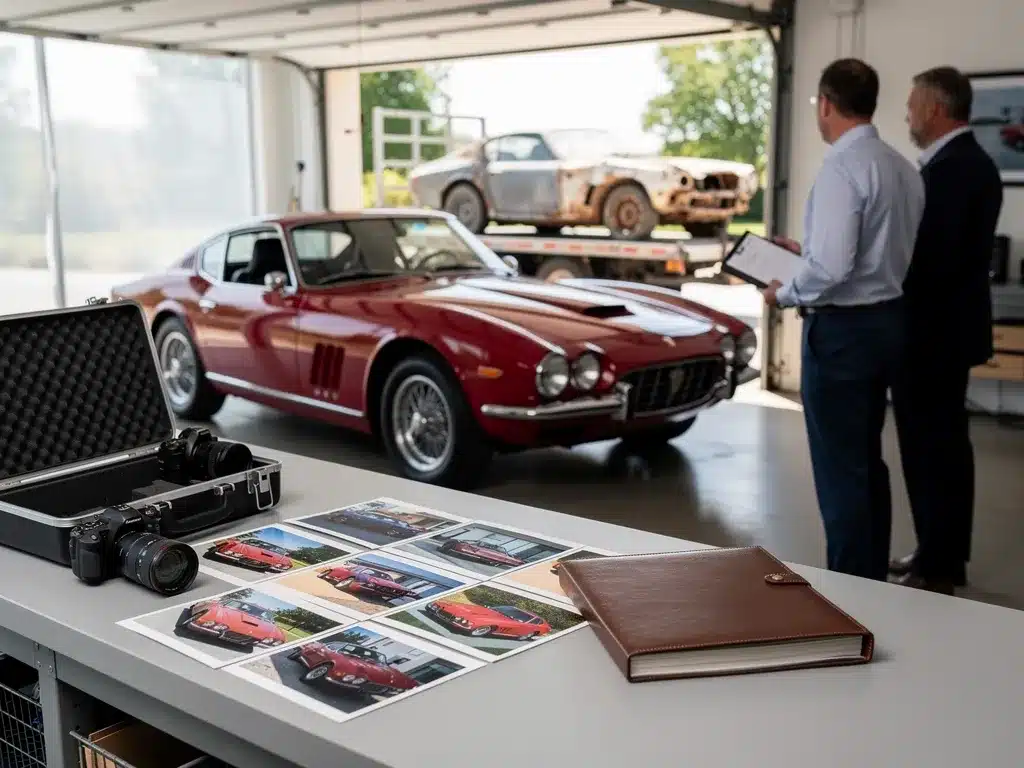
Choosing between agreed value and stated value determines whether a collector car owner receives full restoration funding or a fraction of the needed sum after a total loss. Agreed value eliminates depreciation and market interpretation, guaranteeing the predetermined payout. Owners should secure a professional appraisal, document restoration details, and build a complete photo file before binding coverage. This preparation transforms a claim from negotiation into a straightforward settlement.

Need assistance now?

Give us a call:
(631) 782-3175

High-Value Homeowners Insurance Articles

About the Author

David W. Clausen is the CEO of Coastal Insurance Solutions. With over 20 years' experience and over 1 billion insured, David and Coastal Insurance Solutions are the recognized leaders in high net worth insurance. For the fifth consecutive year, David Clausen has been awarded Top Producer by Insurance Business America. David is a trusted high net worth insurance expert who’s published more than 200 articles. His articles & press releases have generated over 500K pageviews and has been featured on blogs such as Google News, Yahoo Finance, CNBC, Market Watch, Fox, The New York Times, etc. David founded Coastal Insurance Solutions in 2001 after earning a BBA from the State University of New York College at Oswego.

IBA's Top Retail Broker 2023
Digital badge for the 2023 Insurance Agents of the Year Award, featuring intricate design elements that symbolize excellence and achievement in the insurance industry.
IBA's Top Retail Broker 2023
Digital badge for the 2023 Insurance Agents of the Year Award, featuring intricate design elements that symbolize excellence and achievement in the insurance industry.

Helpful High Value Home Insurance Articles