
Thomaston NY Homeowners Insurance: Village Hall & North Shore Community Protection Explained
What Does Homeowners Insurance Cover in Thomaston NY?
Which property and liability coverage options protect North Shore homes?
- Property Coverage: Protects the physical structure of the home and personal belongings inside from perils such as fire, theft, and vandalism.
- Liability Coverage: Offers financial protection in the event that someone is injured on your property and seeks to hold you responsible. This can include medical expenses and legal fees.
- Flood and Earthquake Coverage: Given North Shore's unique geographical risks, additional policies may be necessary to cover natural disasters inadequately addressed in standard homeowners insurance.
How do flood, fire, and theft risks impact insurance policies?
- Higher premiums for homes located in flood-prone areas due to the increased likelihood of claims.
- Specific exclusions in policies concerning damage from fire if the property lacks adequate fire safety measures.
- Adjusted coverage limits for theft, particularly in neighborhoods considered high-risk for burglaries.
How Does Thomaston Village Hall Support Community Insurance Protection?
What community risk mitigation programs are managed by Village Hall?

- Education Initiatives: Providing resources and workshops about effective risk management strategies and insurance best practices.
- Incentive Programs: Encouraging homeowners to adopt safety measures, which may involve financial discounts on their insurance premiums in return.
- Emergency Preparedness Planning: Helping the community develop response strategies for natural disasters, which can influence insurance renewal and claims history positively.
How does Village Hall enforce local homeowners insurance compliance?
- Regular Audits and Reviews: Conducting periodic assessments of homeowners’ insurance policies to ensure alignment with local requirements.
- Issuance of Fines: Implementing penalties for those who fail to meet established insurance mandates, emphasizing the significance of compliance in risk management.
- Community Outreach Programs: Engaging with residents to explain compliance measures and the importance of maintaining adequate insurance coverage to protect against local hazards.
What Are Specialized High-Value Homeowners Insurance Options for North Shore Properties?
Which custom policies provide enhanced coastal and high-net-worth protection?
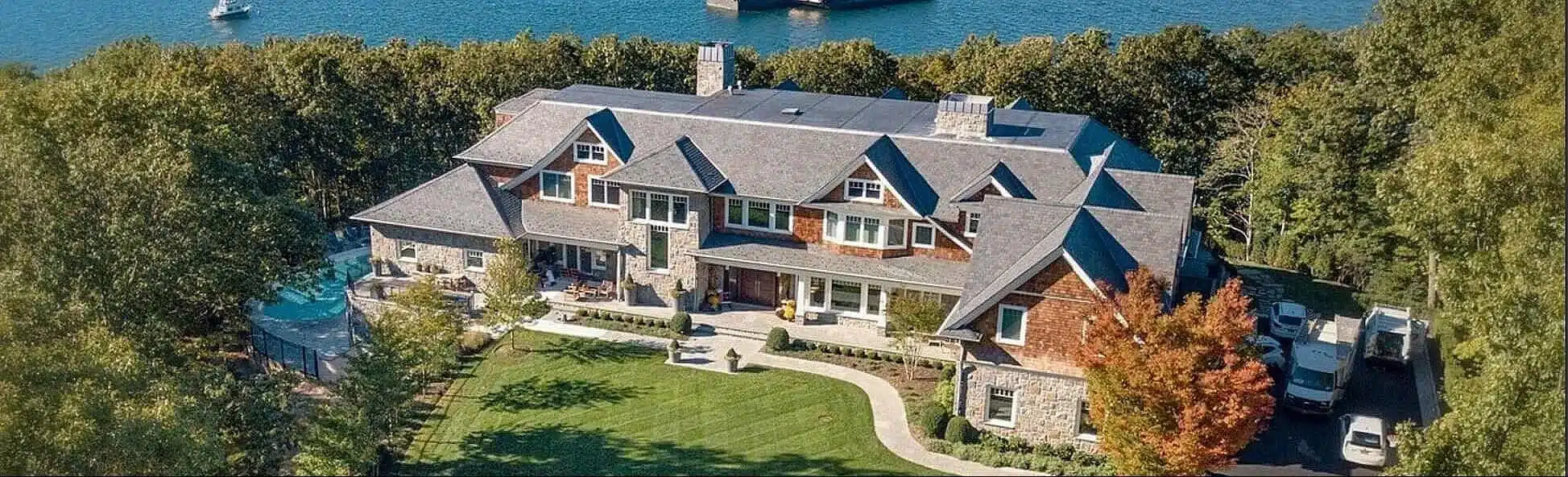
- Higher Coverage Limits: Ensures the replacement cost of high-value homes, including luxury finishes and unique architecture, is fully covered.
- Broader Perils: Coverage that includes unique risks associated with coastal living, such as flooding and hurricane impacts.
- Customized Liability Protection: Tailored liability coverage for high-net-worth individuals, ensuring adequate protection against potential lawsuits.
How do market trends since 2023 affect high-value home insurance needs?
- An increase in climate-related risks leading to potentially higher insurance premiums and policy adjustments.
- A growing awareness and demand for insurance products catering to high-net-worth individuals, leading to a more competitive market.
- The impact of inflation on construction costs, prompting homeowners to reassess coverage limits.
Which North Shore Community Risk Coverage Programs Reduce Disaster Impact?
What role do local municipal and insurance partnerships play in risk reduction?
- Collaborative funding for infrastructure improvements designed to reduce disaster risks.
- Educational campaigns that inform residents about available insurance options and risk management practices.
- Grants and financial incentives for residents who implement safety measures on their properties.
How do flood and coastal risk mitigation measures integrate with insurance policies?
- Lower insurance premiums for homes that employ mitigation efforts such as improved drainage systems.
- Enhanced coverage options that include specific protections against water damage.
- Proactive community planning that reduces overall vulnerability to flooding and other coastal risks.
Community Flood Risk Management in the USA
This study systematically reviews the diverse body of research on community flood risk management in the USA to identify knowledge gaps and develop innovative and practical lessons to aid flood management decision-makers in their efforts to reduce flood losses. The authors discovered and reviewed 60 studies that met the selection criteria (e.g., study is written in English, is empirical, focuses on flood risk management at the community level in the USA, etc.). Upon reviewing the major findings from each study, the authors identified seven practical lessons that, if implemented, could not only help flood management decision-makers better understand communities’ flood risks, but could also reduce the impacts of flood disasters and improve communities’ resilience to future flood disasters. These seven lessons include: (1) recognizing that acquiring open space and conserving wetlands are some of the most effective approaches to reducing flood losses; (2) recognizing that, depending on a community’s flood risks, different development patterns are more effective at reducing flood losses; (3) considering the costs and benefits of participating in FEMA’s Community Rating System program; (4) engaging community members in the flood planning and recovery processes; (5) considering socially vulnerable populations in flood risk management programs; (6) relying on a variety of floodplain management tools to delineate flood risk; and (7) ensuring that flood mitigation plans are fully implemented and continually revised.
A review of the community flood risk management literature in the USA: Lessons for improving community resilience to floods, J Tyler, 2019
How Can Homeowners Navigate Claims and Risk Mitigation Procedures in Thomaston?
What are the best practices for filing insurance claims after property damage?
- Document Damage Promptly: Take clear photographs and detailed notes of all damage for verification purposes.
- Notify Your Insurer Quickly: Reach out to the insurance company as soon as possible, as many policies have time limits for filing.
- Understand Your Coverage: Familiarize yourself with your policy details before filing a claim to ensure you're aware of what is covered.
Which proactive steps help reduce risk and premium costs?
- Home Improvements: Installing security systems and fire safety devices can reduce risk profiles.
- Regular Maintenance: Keeping the property well-maintained to prevent damage and claim occurrences.
- Community Engagement: Participating in local risk management initiatives that foster overall safety in the neighborhood.
What Local Regulatory Compliance Must Thomaston Homeowners Know?
What are the insurance requirements set by local authorities and Village Hall?
- Minimum Coverage Levels: Specific limits for liability and property insurance coverage to protect both the homeowner and the community.
- Policy Updates: Homeowners must keep their policies up-to-date to meet regulations, especially after significant life changes such as renovations or alterations in property structure.
- Proof of Insurance: Submission of insurance policy details to Village Hall to ensure compliance with local laws.
How do Nassau County and North Shore regulations impact homeowners insurance?
- Local Policy Requirements: Certain mandates that might differ from state or federal standards.
- Impact on Premiums: Specific regulations can lead to variances in premium costs based on the risk profile associated with coverage in North Shore.
- Claims Processing: Regulatory frameworks that affect how quickly and efficiently claims can be processed in the event of a disaster.