/* Inline styles converted to CSS */
.metasync-inline-1 { border-collapse: collapse; }
.metasync-inline-2 { border: 1px solid rgb(193,193,193); padding: 6px; background-color: rgb(233,233,233); text-align: center; }
.metasync-inline-3 { border: 1px solid rgb(193,193,193); padding: 6px; background-color: rgb(233,233,233); text-align: center; }
.metasync-inline-4 { border: 1px solid rgb(193,193,193); padding: 6px; background-color: rgb(233,233,233); text-align: center; }
.metasync-inline-5 { border: 1px solid rgb(193,193,193); padding: 6px; }
.metasync-inline-6 { border: 1px solid rgb(193,193,193); padding: 6px; }
.metasync-inline-7 { border: 1px solid rgb(193,193,193); padding: 6px; }
.metasync-inline-8 { border: 1px solid rgb(193,193,193); padding: 6px; }
.metasync-inline-9 { border: 1px solid rgb(193,193,193); padding: 6px; }
.metasync-inline-10 { border: 1px solid rgb(193,193,193); padding: 6px; }
.metasync-inline-11 { border: 1px solid rgb(193,193,193); padding: 6px; }
.metasync-inline-12 { border: 1px solid rgb(193,193,193); padding: 6px; }
.metasync-inline-13 { border: 1px solid rgb(193,193,193); padding: 6px; }
.metasync-inline-14 { border: 1px solid rgb(193,193,193); padding: 6px; }
.metasync-inline-15 { border: 1px solid rgb(193,193,193); padding: 6px; }
.metasync-inline-16 { border: 1px solid rgb(193,193,193); padding: 6px; }
Securing renters insurance typically involves manageable monthly premiums, yet many tenants mistakenly assume their landlord’s insurance extends to their personal possessions. Insurance regulators consistently clarify that landlords insure only the building structure, leaving tenant belongings financially exposed. Coastal Insurance Solutions, a Rocky Point, NY-based agency, assists clients in comparing tailored renters insurance policies from reputable carriers such as Chubb and Travelers, helping tenants secure the protection their assets warrant.
- Landlord insurance protects only the physical building structure and does not extend to tenants' personal belongings.
- Renters generally pay around $17 per month for a standard renters insurance policy with $30,000 in personal property coverage.
- A typical renters insurance plan combines personal property protection, liability coverage, and additional living expenses.
- Standard coverage excludes flood damage, bed bugs, and ordinary wear and tear.
Why is renters insurance important?
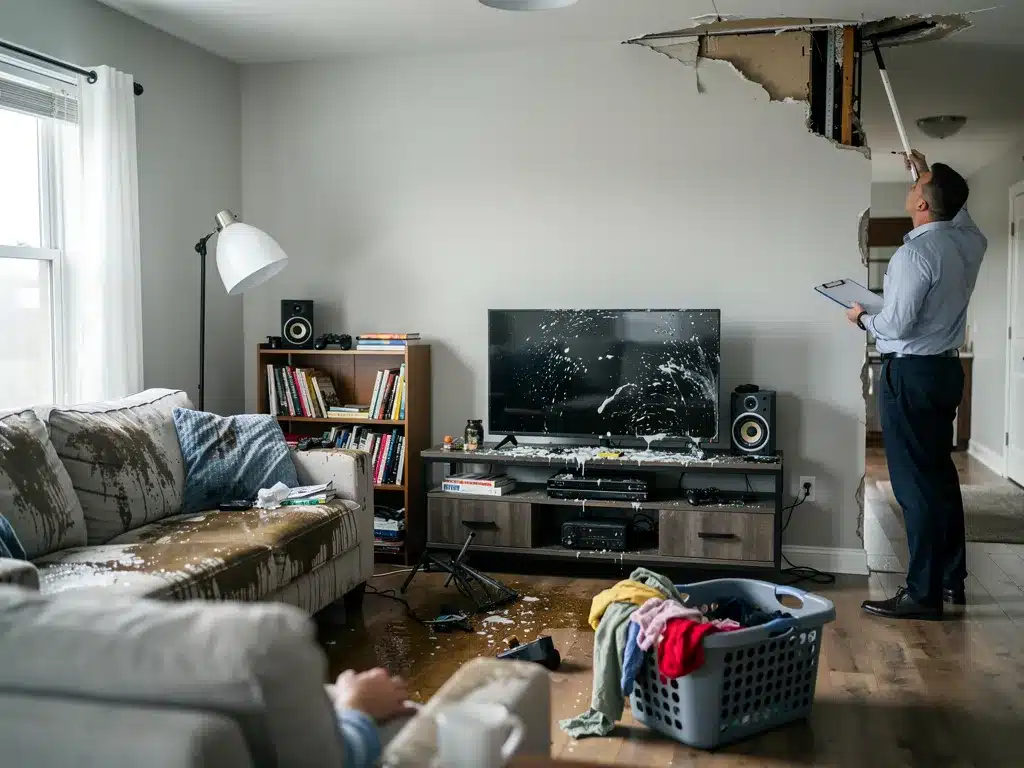
While a landlord’s insurance safeguards the building structure, tenants’ personal belongings remain exposed without dedicated coverage of their own. Many renters mistakenly assume landlord policies extend to their possessions. This gap leaves furniture, electronics, clothing, and other valuables vulnerable to risks such as fire and water damage, with no financial recourse for the policyholder.
What does a landlord's insurance cover?
Building owners’ insurance policies cover the apartment structure, including walls, floors, and fixtures. If a fire damages the building, landlords file claims to repair the property. Personal items such as sofas, laptops, or clothing, however, are not included. The National Association of Insurance Commissioners (NAIC) explicitly states that renters bear sole responsibility for protecting their own belongings by securing an individual renters insurance policy.
Is renters insurance mandatory?
No state governments require renters insurance by law; however, an increasing number of landlords and property management companies make it a lease stipulation. This renters insurance guide recommends minimum policy limits of $30,000 for personal property and $100,000 for liability coverage. Without adequate insurance, tenants risk substantial financial loss from damaged belongings and potential lease violations.
What coverage does a typical renters insurance plan offer?
A standard renters insurance policy typically combines three essential protections: personal property coverage, liability protection, and additional living expenses. Together, these provisions shield tenants from bearing full replacement costs, legal fees, and temporary housing expenses following a covered incident.
Personal property coverage reimburses tenants for belongings damaged or stolen due to covered events such as fire, theft, or water damage from burst pipes. Since landlord policies insure only the building, renters must rely on their own policies to protect items such as furniture and electronics, as confirmed by the National Association of Insurance Commissioners.
Liability protection covers medical and legal expenses if someone is injured within the rental unit, including incidents involving falls or pets, offering essential financial safeguards against costly claims.
Additional living expenses fund temporary housing, meals, and extra commuting costs when a unit becomes uninhabitable due to a covered loss, such as fire or water damage.
What does renters insurance not cover?
Standard policies typically exclude flood damage, which requires a separate flood insurance policy. Roommates’ possessions are covered only if they are named insureds on the policy. Damage from pests such as bed bugs, along with ordinary wear and tear, is also excluded. These exclusions apply to renters insurance policyholders regardless of location.
Understanding personal property replacement cost vs. actual cash value
When selecting coverage limits, renters should understand how claims indemnity is calculated. Replacement cost coverage reimburses the full amount necessary to replace damaged or stolen items with new equivalents, without deducting for depreciation. Actual cash value compensation, by contrast, factors in depreciation, paying less based on the item’s wear and age at the time of loss. Selecting replacement cost coverage generally involves higher premiums but provides more comprehensive financial protection for insured belongings.
Recommended coverage limits and landlord or HOA liability requirements
This renters insurance guide recommends a baseline of $30,000 in personal property coverage and $100,000 in liability protection. However, co-op boards, condo associations, and property management companies often set higher liability minimums to address unique building risks. Common liability requirements include:
- $100,000 – Typical standard minimum for individual landlords and smaller buildings
- $300,000 – Frequently mandated by mid-sized co-op, condo, or HOA boards
- $500,000 – Often required for large, high-profile properties or high-rise buildings
Tenants should confirm building-specific insurance mandates and ensure their policies align accordingly to maintain compliance with lease agreements.
How much personal property coverage do renters need?
Coverage amounts should reflect the total replacement cost of all possessions. A standard policy often starts at $30,000 in personal property coverage but may need to increase for renters with valuable electronics, jewelry, or collections. Conducting a personal property inventory helps establish appropriate coverage limits.
How much does renters insurance cost?
Premiums for renters insurance vary based on location, coverage limits, and building risk factors. According to NerdWallet’s renters insurance cost analysis, the national average for a standard policy with $30,000 in personal property coverage and $100,000 in liability protection is approximately $17 per month.
Source: NerdWallet renters insurance cost analysis.
Renters typically pay more in dense urban areas and less in suburban or rural markets, though coverage limits and building risk factors matter more than geography alone.
Factors that influence renters insurance rates
Location risk is a primary factor. Dense urban neighborhoods experience higher theft and liability exposures, elevating premiums, while suburban and rural areas usually present lower risk profiles. Additional factors such as building age, construction type, and coastal proximity further affect rates.
Typical coverage components in renters insurance policies
Most renters insurance contracts combine personal property, liability, and additional living expense protections. Personal property coverage reimburses belongings lost to fire, theft, or water damage; liability coverage addresses injuries occurring in the rental unit; and additional living expenses support tenants displaced by a covered event. Standard policies often begin with $30,000 in property coverage and $100,000 in liability coverage.
Coverage exclusions to consider
Flooding requires separate flood insurance. Landlord insurance covers only the building structure, not tenant possessions. The National Association of Insurance Commissioners confirms that landlords’ policies do not extend to tenants’ belongings. Roommates’ items are protected only when insured on the same policy.
Coastal Insurance Solutions helps renters compare tailored quotes from top-rated carriers. An affordable renters insurance quote accounts for specific property risks and individual tenant requirements.
Renters Insurance Guide: Landlord, HOA, and Lease Insurance Requirements
Renters in co-ops, condominiums, and managed apartment communities face varying insurance mandates. Many boards and property managers require proof of renters insurance with clearly specified minimum coverage and liability amounts. High-rise and multi-family leases frequently include similar stipulations to mitigate risk in dense living environments.
This renters insurance guide recommends verifying board and management insurance expectations before purchasing a policy. Tenants should secure tenant insurance meeting or exceeding these requirements to avoid lease disputes or legal complications.
Common Risks Renters Face
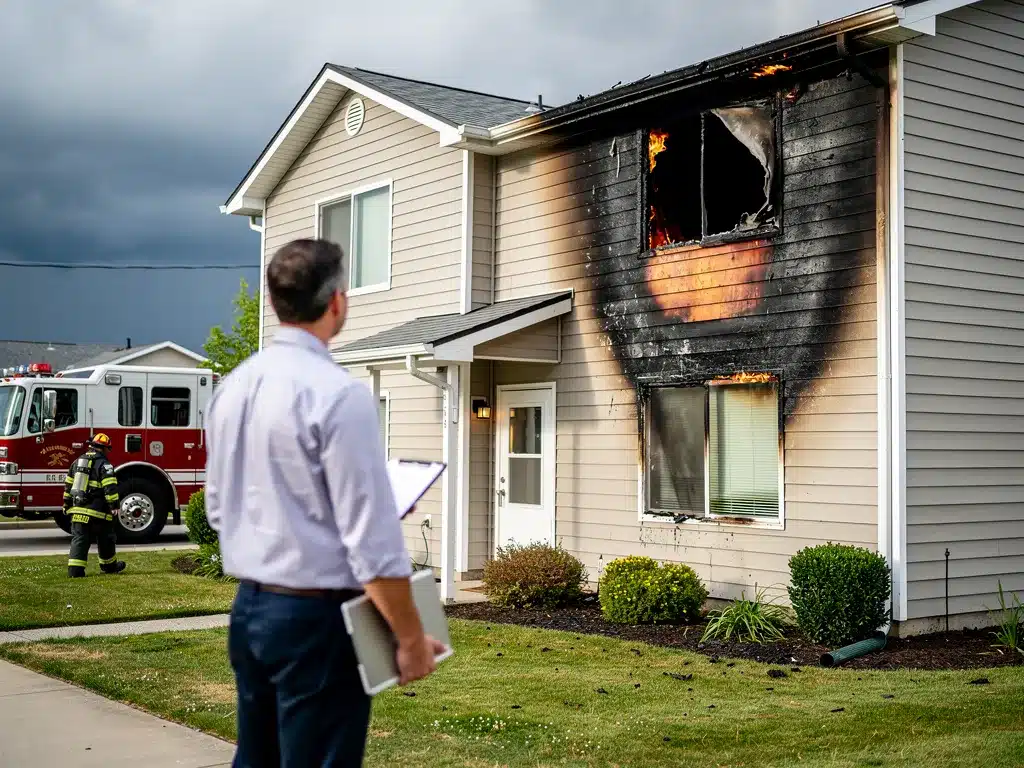
Renters encounter specific property risks seldom addressed in standard leases. Fires caused by heating malfunctions or unattended cooking, package theft in unsecured buildings, and water damage originating from neighboring units each create substantial financial vulnerability. The building owner’s insurance covers the structure, but tenants remain solely responsible for their lost possessions.
Primary causes of tenant property loss
The most frequent causes of loss include apartment fires originating from heating malfunctions or cooking accidents, theft including package pilferage in buildings without staffed entrances, and water damage stemming from plumbing issues in adjacent units. Without a renters insurance policy aligned with this renters insurance guide, tenants face significant out-of-pocket replacement costs.
Does renters insurance cover flood damage?
Standard renters insurance policies exclude flood damage, necessitating a separate flood insurance policy. This holds true for tenants in flood-prone coastal zones as well as basement units in inland communities. Renters insurance typically covers personal property losses due to fire, theft, and water damage from burst pipes, along with liability and additional living expense coverage when a unit becomes unlivable. Coastal Insurance Solutions assists clients in identifying and addressing the coverage gaps landlords leave open.
Bundling Renters and Auto Insurance
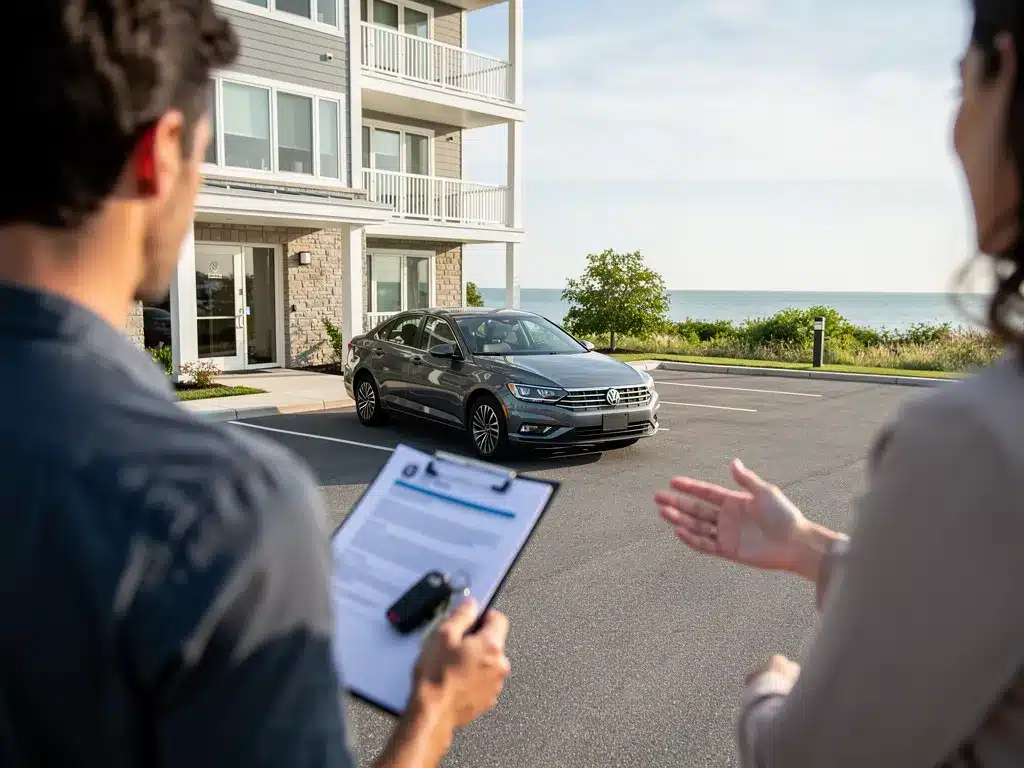
Combining renters insurance with auto insurance offers significant savings for tenants. State Farm reports up to $900 in annual savings from bundling these policies. Beyond cost savings, bundling simplifies renewals and claims by consolidating coverage under a single insurer.
Coastal Insurance Solutions streamlines bundling for renters. Established since 2001, the family-owned Long Island independent agency represents multiple top carriers and provides in-depth comparison of bundled policy options. Their team of 50 experts delivers personalized service aligning insurance solutions with each client’s specific needs.
Additional bundling opportunities
Beyond renters and auto, homeowners, condo, and life insurance policies can also be combined. Multi-policy discounts reward clients who consolidate coverage with a single carrier, enhancing both savings and convenience.
Bundling considerations for high-value renters insurance
Coastal Insurance Solutions evaluates personal property limits, liability exposure, and vehicle values before recommending bundled packages. Their access to premier insurers ensures renters insurance complements auto coverage seamlessly, preventing coverage gaps. Clients receive integrated plans built around their full asset profile, rather than fragmented policies from multiple companies.
This renters insurance guide recommends working with independent agents who compare multiple quotes on a client’s behalf. Coastal Insurance Solutions presents tailored bundled proposals reflecting authentic savings, helping renters make informed, financially sound decisions.
Why do renters need renters insurance?
Landlord policies insure only the building structure, leaving tenants’ belongings financially exposed. The National Association of Insurance Commissioners confirms that renters remain unprotected against personal property losses without their own renters insurance policy.
What does a standard renters insurance policy cover?
Coverage typically includes personal property protection, liability coverage, and additional living expenses. This protects against theft, fire, and water damage from burst pipes; funds guest injury claims; and covers temporary housing if the rental unit becomes uninhabitable.
Is renters insurance legally required?
While no statutes mandate coverage, many landlords and property management companies enforce it contractually, with recommended minimums of $30,000 in personal property coverage and $100,000 in liability coverage.
For renters, securing adequate insurance begins with understanding where coverage gaps exist. Landlord policies protect only the structure, not tenant belongings. A carefully tailored renters insurance plan closes these gaps, delivering protection for personal property, liability, and additional living expenses suited to individual risk factors. Prospective renters should compare options that reflect both property exposures and individual coverage requirements to make informed, financially sound decisions about their assets.
The guidance in this article draws on data and standards from recognized industry authorities:
- The National Association of Insurance Commissioners (NAIC) confirms that landlord insurance policies protect only the building structure, leaving tenants responsible for insuring their own personal property.
- NerdWallet's renters insurance cost analysis puts the national average premium for a standard policy, $30,000 in personal property coverage and $100,000 in liability protection, at approximately $17 per month.
- State Farm reports that renters who bundle renters and auto insurance with a single carrier can save up to $900 annually.
Coastal Insurance Solutions references these industry benchmarks when helping clients evaluate coverage limits, premiums, and bundling opportunities tailored to their individual circumstances.