Vacant & Unoccupied Home Insurance: Gaps, Rules & Rates

v5 72166 regen ad9af2d0

Vacant home insurance costs roughly $3,700 to $4,000 annually, 50 to 60% more than standard coverage, because empty properties face triple the vandalism risk. Most standard policies limit coverage after 30 to 60 days of vacancy. Coastal Insurance Solutions brokers specialized vacant-home policies, closing dangerous gaps before that window expires.

Key Takeaways

  • Standard policies limit coverage after 30 to 60 days of vacancy, triggering exclusions.
  • Vacant homes face triple the vandalism risk, driving premiums 50–60% higher.
  • Theft, vandalism, liability, and water damage coverage shrink or vanish after the vacancy clock.
  • Unoccupied homes retain furnishings and return intent, while vacant homes lack both.

What Makes a Home Vacant or Unoccupied?
v5 72166 regen 29b0083b

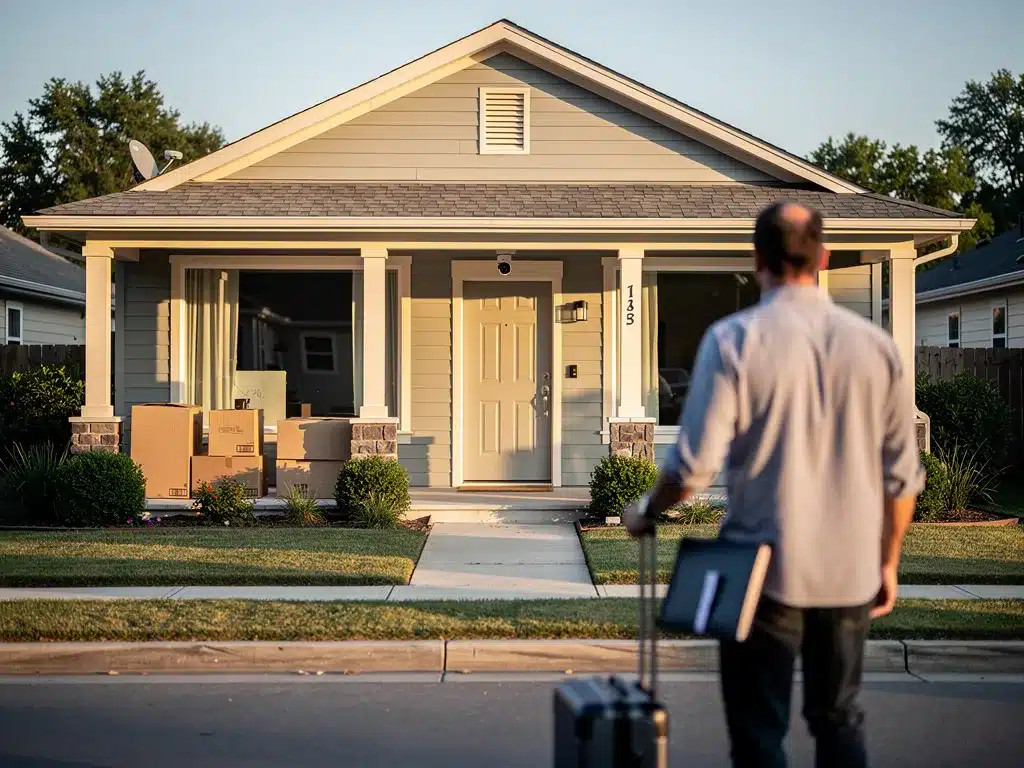
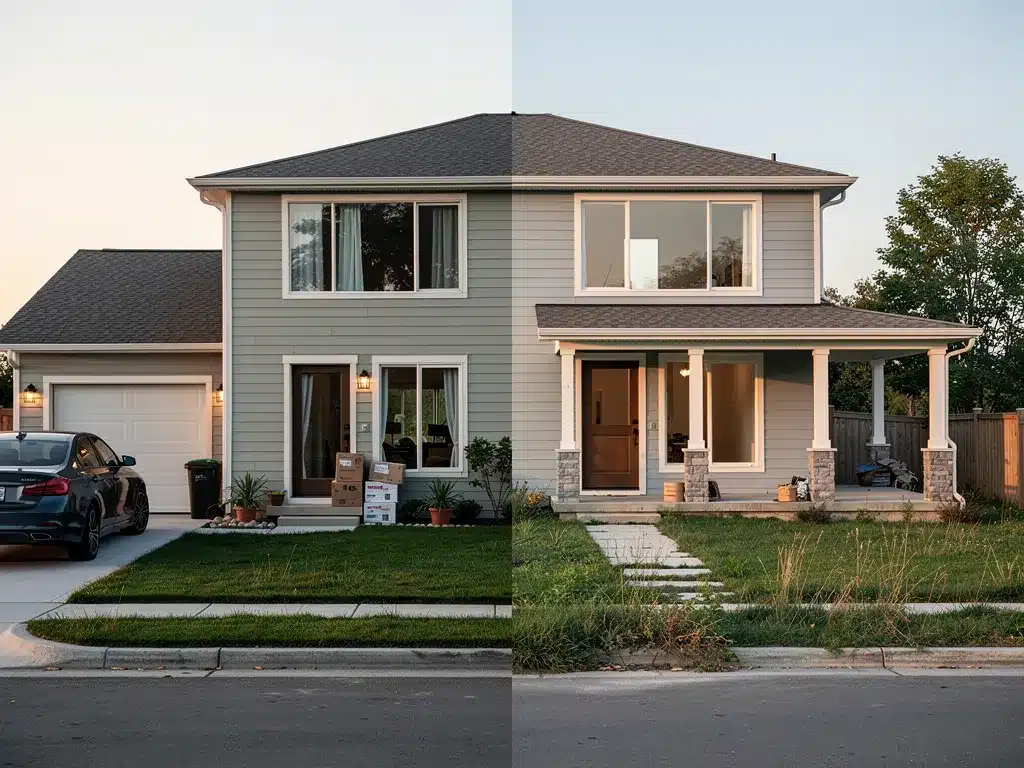
Insurers draw a sharp line between unoccupied and vacant homes. That distinction directly shapes available coverage and the cost of protection. A home sits unoccupied when the residents intend to return but are away for an extended period. A property becomes vacant when the occupants have moved out permanently, leaving no personal belongings and no clear plan to reoccupy the space. Most standard homeowners insurance policies contain vacancy provisions that limit or exclude certain coverages after a home has been vacant or unoccupied for a specified period, often 30 to 60 days. Exact terms vary by policy.

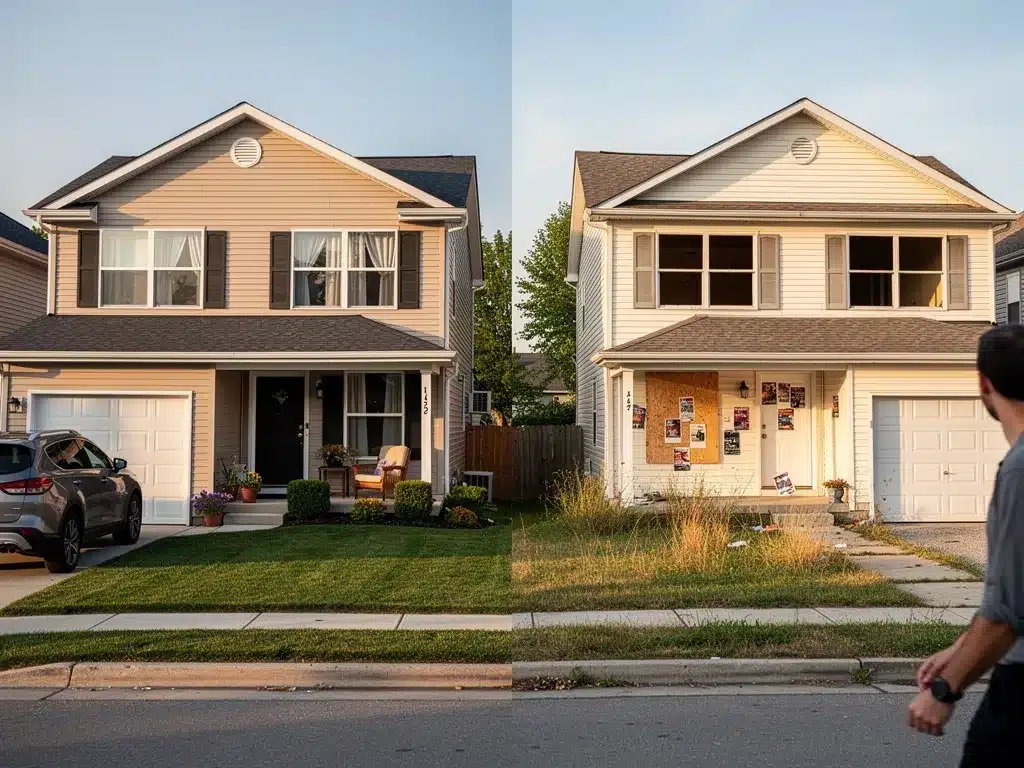
The financial stakes climb quickly. A vacant home faces triple the vandalism risk of an occupied one. Standard carriers view empty properties as exposure they did not underwrite. Coverage for theft, water damage, and vandalism often shrinks or disappears entirely once the vacancy clock runs out.

How do insurers define vacancy versus unoccupancy?

Insurers generally treat unoccupied homes and vacant homes differently. An unoccupied home still contains furniture and utilities remain active. The owner plans to return. A vacant home lacks both furnishings and regular oversight. This distinction triggers different underwriting rules and policy options.

What triggers a vacancy clause in a standard policy?

The trigger is time. After 30 to 60 consecutive days without occupancy, most policies activate vacancy exclusions. The exact countdown starts when the last resident moves out. Property owners who miss this window face denied claims and forced policy cancellations.

A vacant home endorsement or a separate vacant home insurance policy extends protection when a home will be empty for an extended period. Coastal Insurance Solutions, a family-owned independent insurance agency on Long Island since 2001, helps property owners navigate these coverage gaps. The company matches clients with carriers that offer specialized vacant home insurance designed for properties between occupants. Without this tailored coverage, owners carry the full financial weight of fire, storm damage, or liability claims on a property no standard policy still protects.

Why Do Standard Policies Limit Empty House Coverage?
v5 72166 regen 473e4180

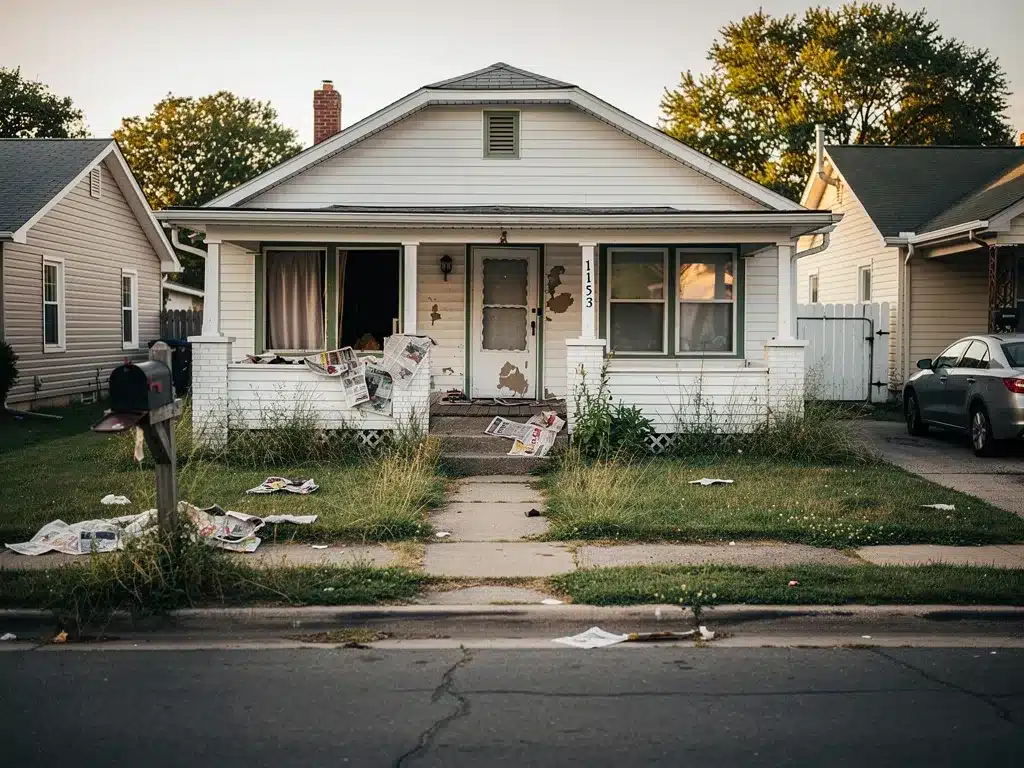
Standard homeowners insurance policies limit or exclude coverage for empty houses because unoccupied properties face dramatically higher risk. A vacant home is three times more likely to be vandalized than an occupied one. Most property insurance offers very limited coverage, if any, for homes without people living in them.

The logic is straightforward. Insurers design standard policies around daily occupancy. Residents spot leaks, deter trespassers, and respond to emergencies quickly. An empty house lacks that immediate human presence. Small problems escalate unseen. A burst pipe floods rooms for days. A broken window invites intruders. These scenarios multiply claim costs.

When Does a Home Become a Problem for Insurers?

A homeowner will not run into insurance problems until a home has been empty for 30 to 60 days or more. At that point, the property may become subject to a little-known clause in most homeowners insurance policies that excludes or limits property, asset, and liability protection. The limitations vary from carrier to carrier, but the pattern is consistent across the industry.

What Specific Coverages Get Cut?

Theft and vandalism coverage typically disappears first. Liability protection often shrinks or vanishes entirely. Water damage claims face new exclusions. These gaps leave property owners exposed to losses that a standard policy would normally cover. Coastal Insurance Solutions represents major homeowners’ insurance carriers writing homeowners insurance in New York, giving clients access to vacant home insurance solutions that fill these precise gaps. The right unoccupied property insurance restores protection that standard carriers withdraw after the 30-to-60-day threshold. Without proper insurance cover for unoccupied property, a single incident can erase tens of thousands in asset value overnight.

What Does Vacant Home Insurance Actually Cover?
v5 72166 regen 03b497b8

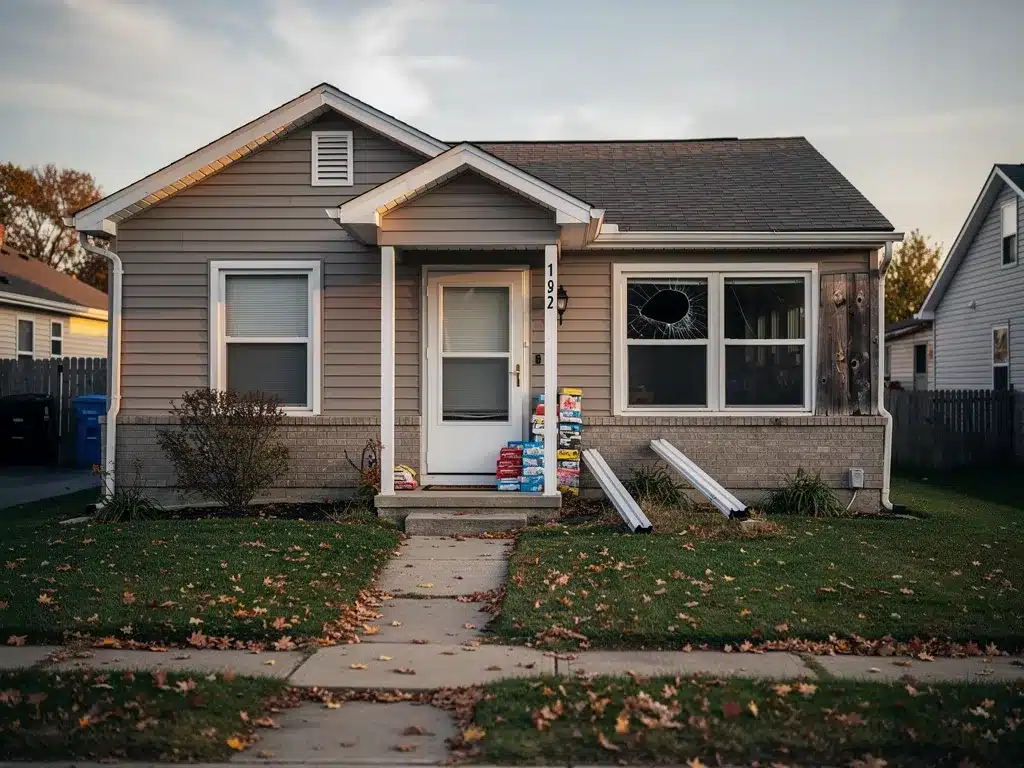
Vacant home insurance provides specialized property protection when a residence sits empty beyond the typical 30-to-60-day threshold. Standard homeowners policies withdraw critical coverage after that window closes. The gap leaves property owners exposed to losses that a conventional policy will not pay.

A standard home insurance policy explicitly states that homes are not covered against theft and vandalism if they have been vacant for more than 60 days, according to Policygenius. Insurers will not knowingly cover a vacant home under a standard homeowners insurance policy. That hard stop creates a dangerous coverage void for any property owner managing an inherited house, a home under renovation, or a residence awaiting sale.

What triggers the need for vacant home coverage?

The trigger is straightforward. Unoccupied property insurance becomes necessary once a home has no resident present for 30 to 60 consecutive days. The exact cutoff varies by carrier. Coastal Insurance Solutions works with a panel of premier insurers to identify the precise vacancy clause in each client’s existing policy and to engineer a replacement before the deadline passes.

What perils does a vacant home policy cover?

A dedicated insurance cover for unoccupied property restores the protections that a standard policy strips away. The core coverage includes:

  • Fire and smoke damage
  • Windstorm and hail
  • Theft and vandalism, which standard policies exclude after 60 days of vacancy
  • Liability protection if a third party is injured on the property

Coastal Insurance Solutions has 50 employees. High-value homes demand particular attention to replacement cost valuations and liability limits. The firm’s advisory model ensures that no coverage gap remains unaddressed, protecting both the structure and the owner’s financial position.

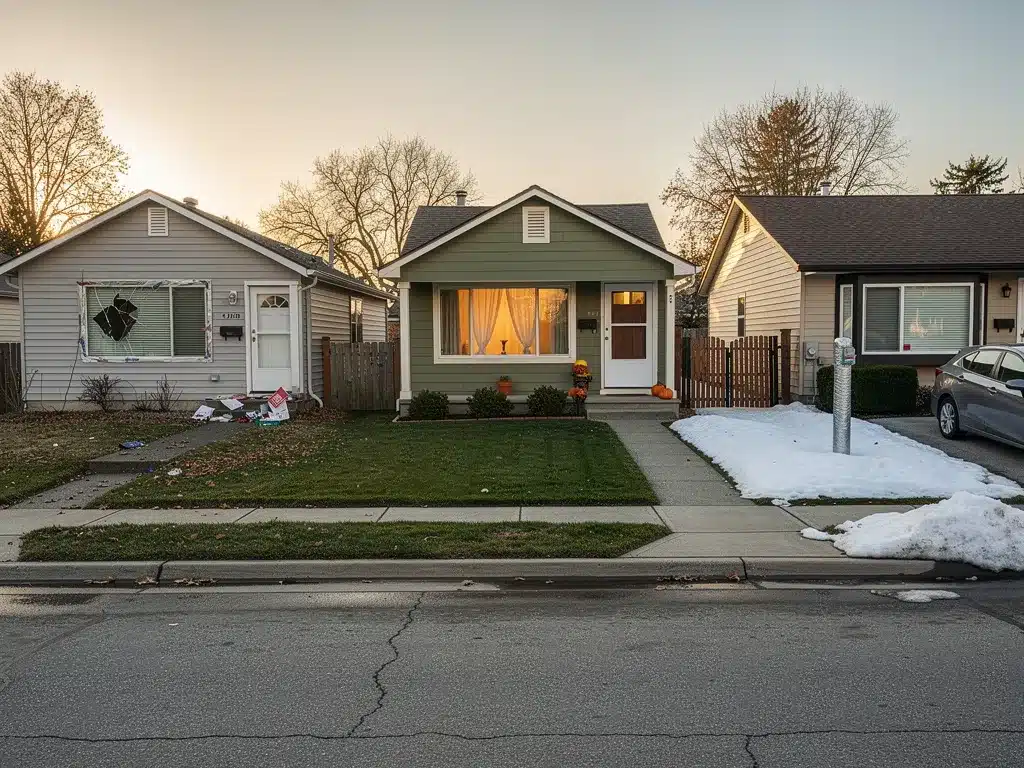
Comparing Vacant and Unoccupied Home Insurance Options
v5 72166 regen 4cfb71fb
FeatureStandard Homeowners EndorsementStandalone Vacant Property PolicyUnoccupied Dwelling Policy
Coverage Trigger (Vacancy Clause)30 days vacancy60 days vacancyVaries; typically 30-60 days
Vandalism & Glass Breakage IncludedLimited or excluded after vacancy triggerIncluded throughout policy termIncluded, subject to policy terms
Frozen Pipe Water Damage CoverageOften limited or excluded after vacancy periodIncluded with proper winterizationIncluded if maintenance protocols followed
Premium Surcharge PercentageMinimal to moderate increase50–60% higher than standardModerate to high, depending on risk
Typical Policy TermsContinuous with homeowner policy3, 6, or 12 months terms availableFlexible terms, often short-term

Timeline Breakdown: Critical Vacancy Thresholds in New York Insurance
v5 72166 regen 2de4eb2b

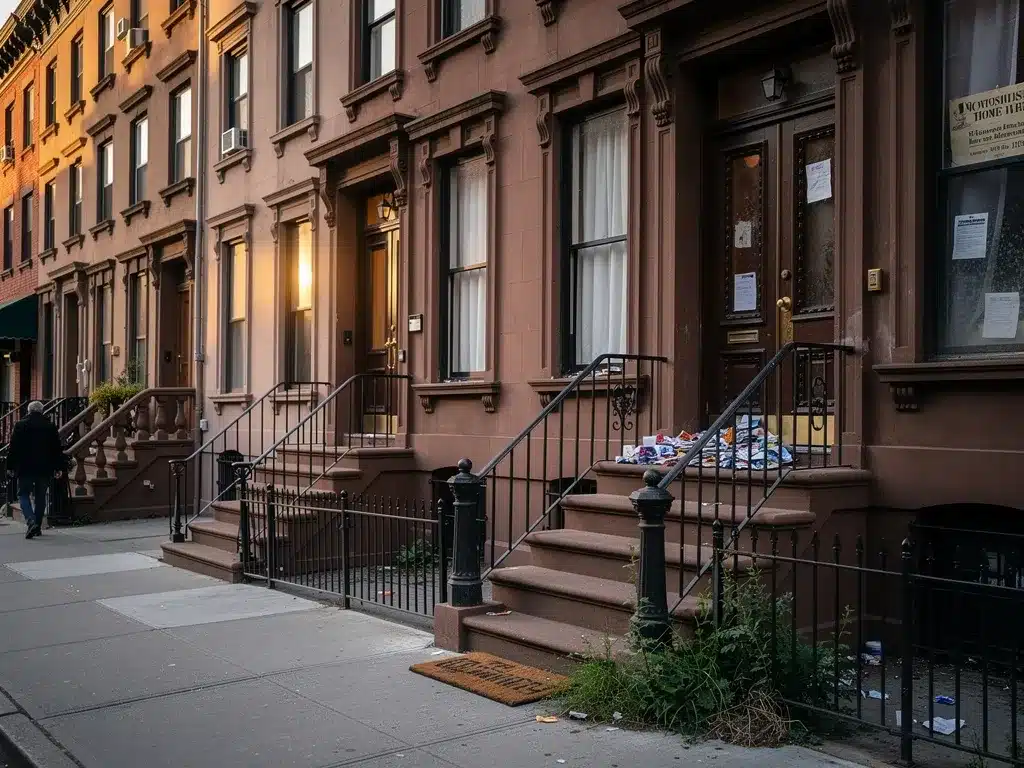
Understanding the vacancy timeline under New York standard insurance forms is vital for managing risks and maintaining coverage. The two critical thresholds are:

  1. Day 0 to 30: The property is considered occupied for insurance purposes; full coverage applies.
  2. Day 31 to 60: Many standard policies begin vacancy clauses that limit certain perils such as theft, vandalism, and water damage. Coverage may shrink or be excluded after 30 days.
  3. After Day 60: In many cases, standard policies exclude coverage for vacant properties entirely, unless an endorsement or a specialized policy is in place.

Coastal Insurance Solutions advises all property owners to initiate conversations about vacant home insurance before the 30-day mark to avoid uncovered exposure.

Underwriting Checklist for Securing Insurance Cover for Unoccupied Property
v5 72166 regen f977a8c4

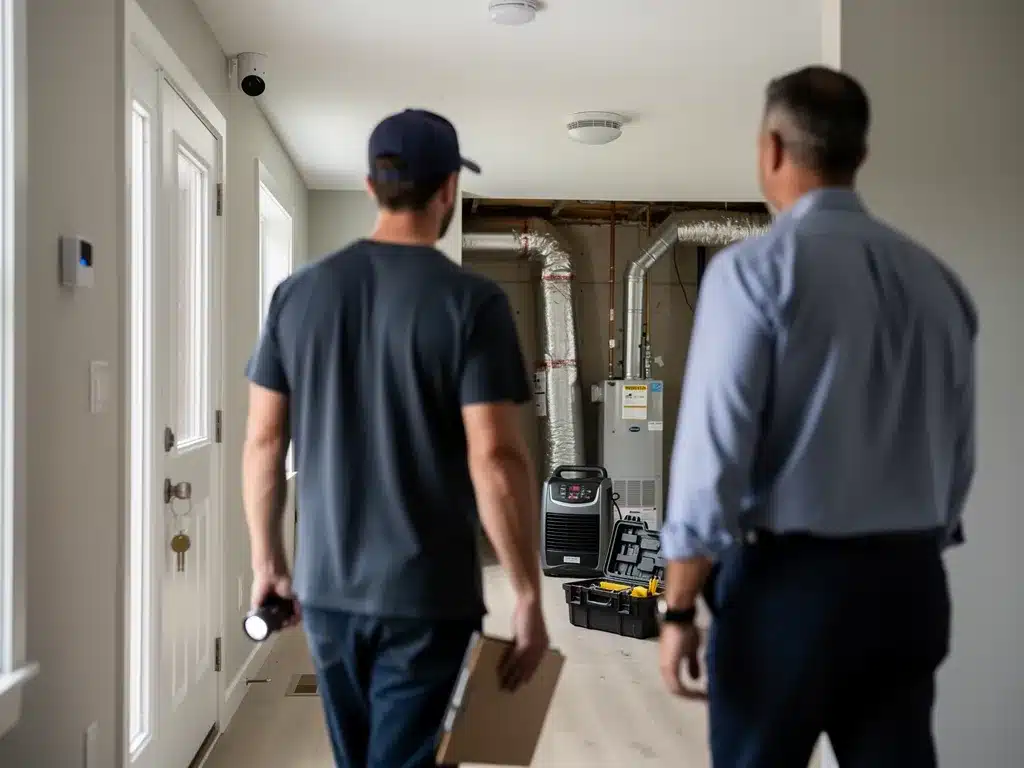
Proper preparation before a property sits empty is crucial to secure effective insurance cover for unoccupied property. Use this checklist to guide underwriting discussions and policy applications:

  • Security Systems: Installation of alarm systems monitored 24/7 and fully operational smoke detectors.
  • Winterization: Comprehensive winterization to prevent burst or frozen pipes, including draining of plumbing lines and heating maintenance.
  • Caretaker or Property Manager: Scheduled inspections at least bi-weekly to check for damage, leaks, or signs of intrusion.
  • Utilities Management: Ensuring utilities such as water and electricity are either maintained or properly shut off based on property needs.
  • Documentation: Photographic evidence of property condition prior to vacancy and regular updates during vacancy period.

How Much More Does Vacant Home Insurance Cost?
v5 72166 regen 166c1269

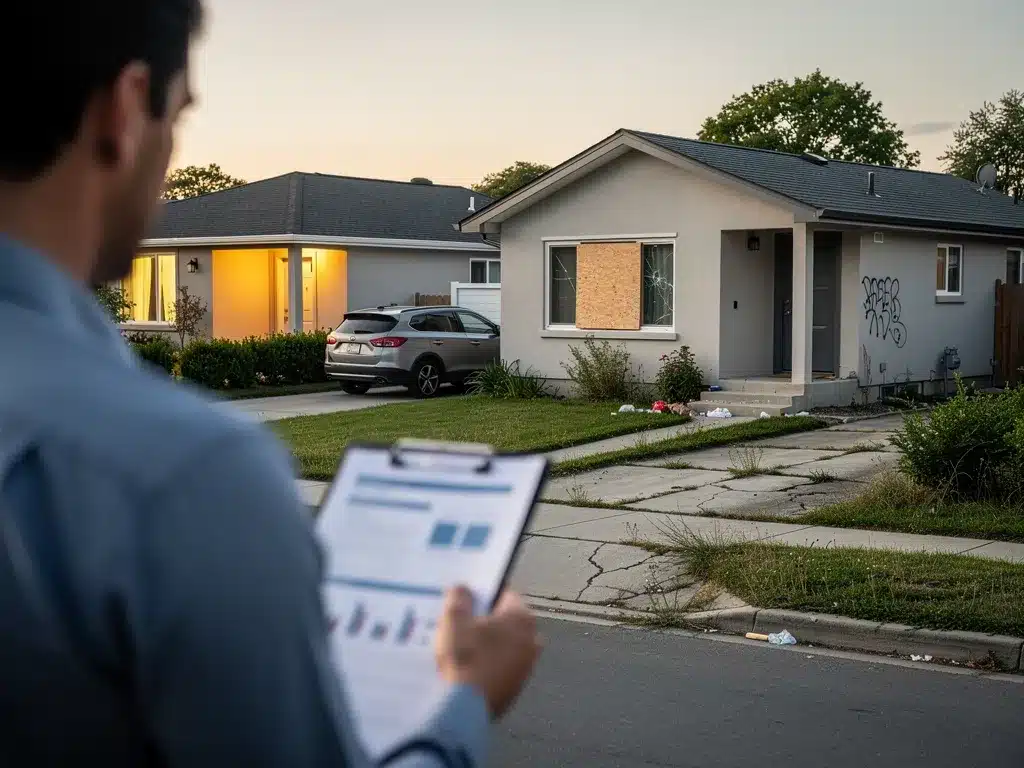
Vacant home insurance costs 50 to 60 percent more than a standard policy. NerdWallet’s analysis updated May 2026 pegs the standard homeowners insurance average at $2,490 annually, while vacant home insurance runs roughly $3,700 to $4,000 per year. That premium gap reflects a hard actuarial reality. Vacant properties are three times more likely to be vandalized, and insurers price that risk directly into the coverage.

The cost difference is not a penalty. It is a direct response to heightened exposure. A home without occupants lacks the daily oversight that catches small problems before they escalate. A slow plumbing leak becomes a ceiling collapse. A broken window invites squatters. Insurers see vacancy as a compounding hazard, and the 50 to 60 percent surcharge accounts for claims that standard policies were never designed to absorb.

Why does a vacant home trigger higher premiums?

Standard policies stop or limit coverage after 30 to 60 days of vacancy. Once that window closes, perils like theft, vandalism, and water damage often drop off entirely. Switching to a unoccupied property insurance policy before the deadline prevents dangerous gaps. The higher premium buys continuity of protection that a lapsed standard policy cannot provide.

What factors influence the final cost beyond the base rate?

Location, property condition, and the length of vacancy all move the needle. A well-maintained home in a low-crime area with regular inspections costs less to insure than a neglected property in a high-risk zone. Insurance cover for unoccupied property also varies by carrier appetite. Coastal Insurance Solutions, headquartered in Rocky Point, New York, accesses a broad panel of insurers to match each property’s risk profile with appropriate terms. That advisory approach helps clients avoid overpaying for coverage that standard carriers would restrict or cancel after 30 to 60 days.

How Do You Secure Coverage for an Empty Property?

v5 72166 regen ff4bb202

Securing insurance cover for unoccupied property starts with a direct conversation with the current insurer. Policy review before the home sits empty ranks among the most critical protective steps a property owner can take. Standard homeowners policies contain strict vacancy clauses that trigger after 30 to 60 days. Once that window closes, coverage for theft and vandalism often evaporates entirely.

The financial stakes are severe. Policygenius reports that insurers may deny a claim outright if they discover the home sat vacant longer than the allowed period. A denied claim leaves the property owner absorbing the full cost of damage or loss. That gap destroys the very protection the policy was purchased to deliver.

What Happens When a Standard Policy Won't Cover the Property?

A standard carrier may cancel the policy or refuse to renew it. The property owner then faces a forced search for specialized coverage under time pressure. Vacant home insurance fills this gap with policies designed for dwellings that lack regular occupancy. These policies account for the elevated risks of undetected water leaks, vandalism, and forced entry.

Who Can Help Navigate These Coverage Options?

An independent agency brings market access that direct carriers cannot match. Coastal Insurance Solutions, headquartered in Rocky Point, New York, focuses on personal property protection for homeowners. The firm maintains relationships with leading carriers including Chubb, AIG Private Client Group, PURE, and Travelers. This network enables side-by-side comparisons of unoccupied property insurance options. Advisors translate policy terms into clear choices and assemble coverage aligned to the property’s specific risk profile. The result is a single team managing an integrated program rather than a patchwork of policies.

FAQ

How much more does vacant home insurance cost than standard coverage?

Vacant home insurance costs 50 to 60% more than standard coverage, roughly $3,700 to $4,000 annually.

What coverage disappears after a home sits empty too long?

Theft, vandalism, liability, and water damage coverage shrink or vanish after the vacancy clock expires.

How does Coastal Insurance Solutions help with vacant home coverage?

Coastal Insurance Solutions brokers specialized vacant-home policies, closing dangerous gaps before the standard policy’s 30 to 60 day vacancy window expires.

Conclusion

v5 72166 regen 760ea51e

The decision to leave a property unoccupied does not eliminate the risk of loss, but it does eliminate the protection of a standard policy. Securing a dedicated vacant home policy before the 30- to 60-day deadline closes the coverage gaps that standard insurers refuse to carry. Property owners who act early avoid the financial exposure of a denied claim and maintain continuity of protection through the vacancy period.

Need assistance now?

Give us a call:
(631) 782-3175

Homeowners Insurance Articles

About the Author

David W. Clausen is the CEO of Coastal Insurance Solutions. With over 20 years' experience and over 1 billion insured, David and Coastal Insurance Solutions are the recognized leaders in high net worth insurance. For the fifth consecutive year, David Clausen has been awarded Top Producer by Insurance Business America. David is a trusted high net worth insurance expert who’s published more than 200 articles. His articles & press releases have generated over 500K pageviews and has been featured on blogs such as Google News, Yahoo Finance, CNBC, Market Watch, Fox, The New York Times, etc. David founded Coastal Insurance Solutions in 2001 after earning a BBA from the State University of New York College at Oswego.

IBA's Top Retail Broker 2023
Digital badge for the 2023 Insurance Agents of the Year Award, featuring intricate design elements that symbolize excellence and achievement in the insurance industry.
IBA's Top Retail Broker 2023
Digital badge for the 2023 Insurance Agents of the Year Award, featuring intricate design elements that symbolize excellence and achievement in the insurance industry.

Helpful Home Insurance Articles