What Are the Essential Auto Insurance Minimum Requirements?

v5 72167 regen 134205b4

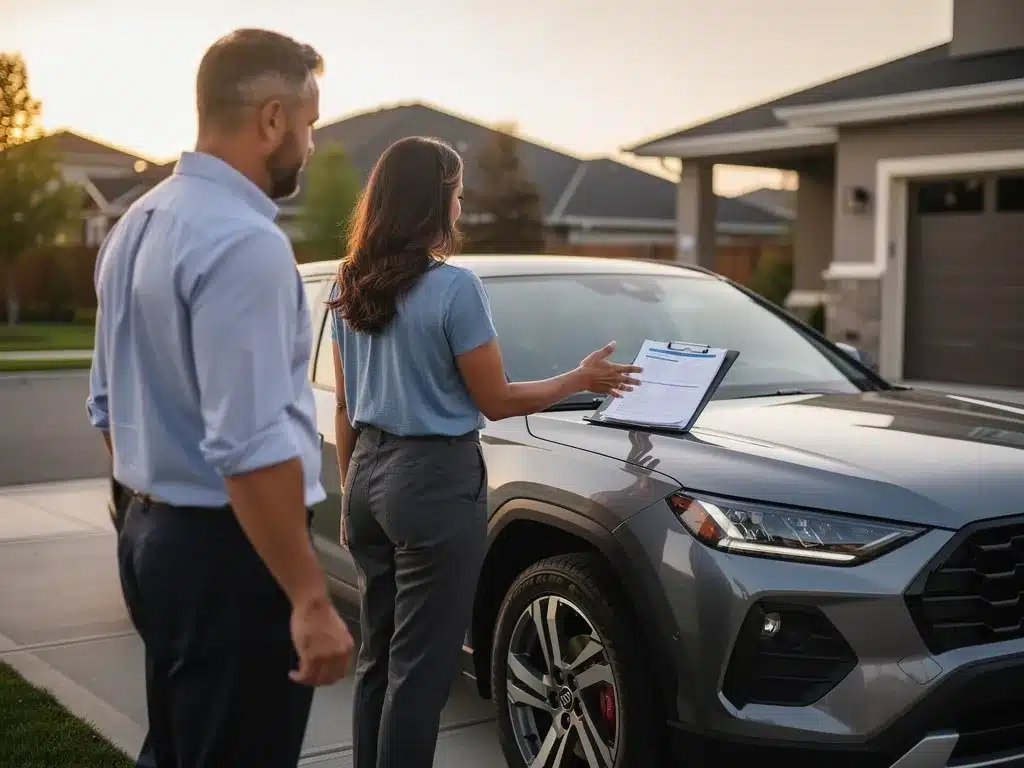
Every state sets its own mandatory minimums for liability coverage, and many also require personal injury protection and uninsured motorist coverage. Coastal Insurance Solutions, an independent agency serving clients across many states, compares customized auto quotes from carriers like Chubb and Travelers. The firm’s advisors tailor coverage to each driver’s risk profile and simplify complex decisions for households nationwide.

Key Takeaways

  • Car insurance rates vary widely by location, driving history, and vehicle type, often by hundreds or thousands of dollars a year.
  • Full coverage premiums commonly range from roughly $1,200 to over $4,000 per year depending on state, risk factors, and coverage limits.
  • Minimum liability, personal injury protection, and uninsured motorist requirements differ from state to state.
  • Coastal Insurance Solutions compares customized auto quotes from carriers like Chubb and Travelers across the states it serves.

Why Is Car Insurance So Expensive in Some Areas?
v5 72167 regen 48ce2ef5

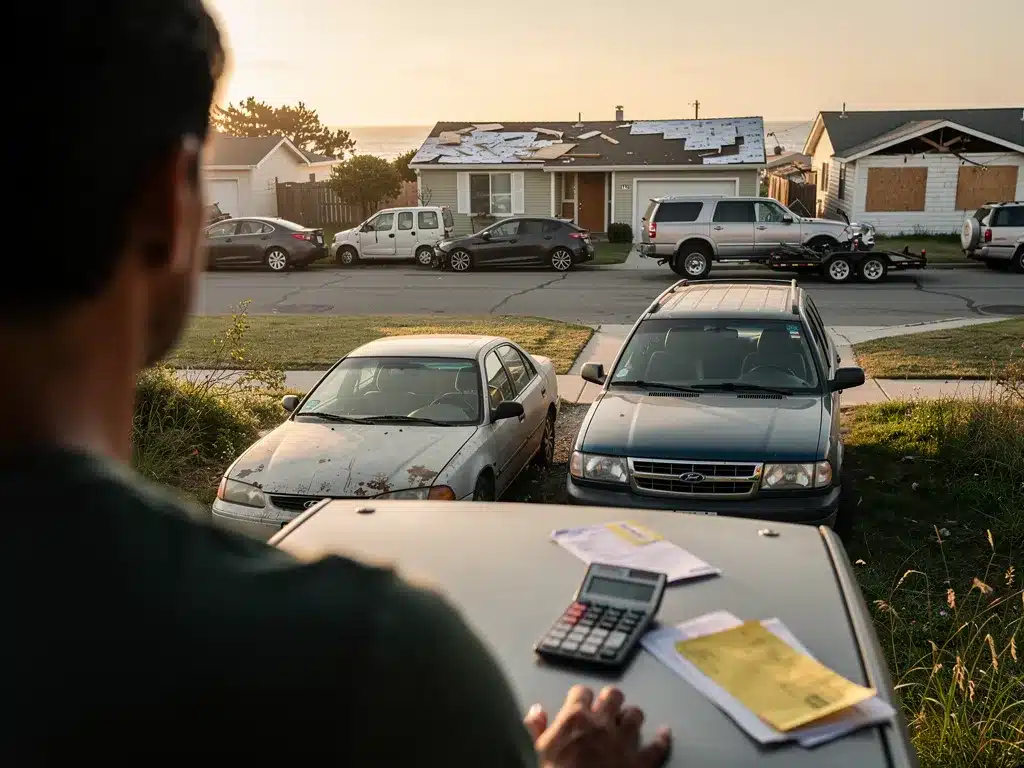
Car insurance rates can run well above the national average in certain regions. Full coverage premiums commonly range from $1,200 to more than $4,000 per year, depending on ZIP code, vehicle type, and local risk factors. That premium gap erodes household budgets year after year. Without a strategy to control costs, families lose real money to premiums that outpace wage growth.

What Drives Rates Higher in Certain Regions?

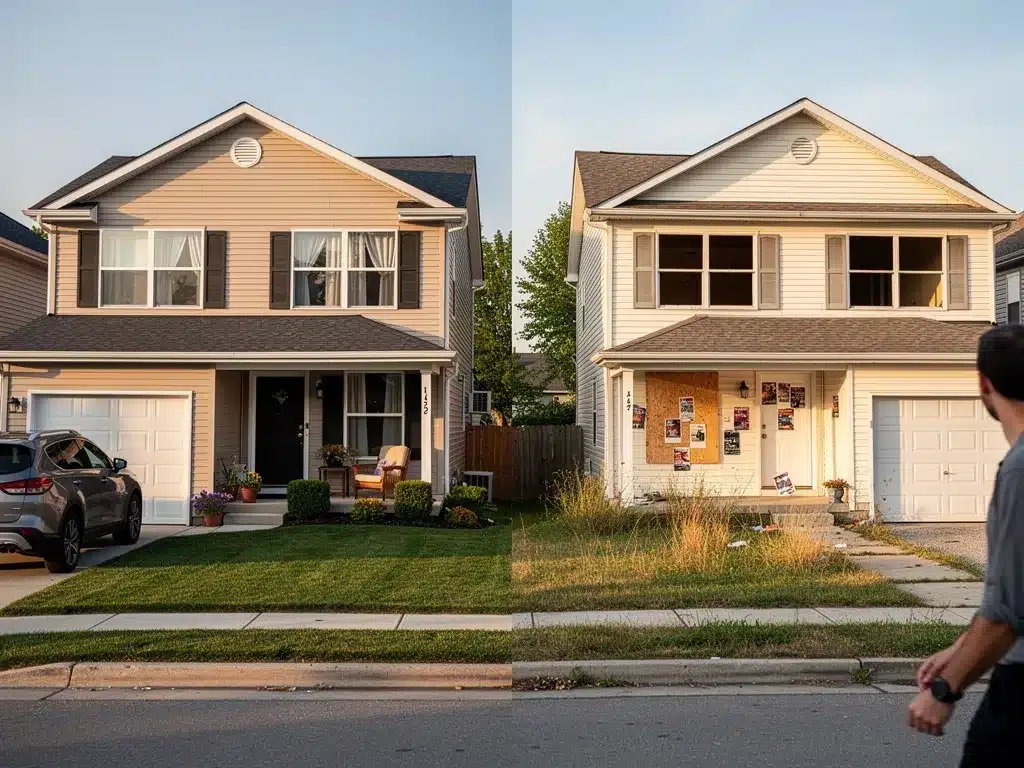
Rates shift noticeably from one region to the next. Dense, high-traffic metro areas tend to see higher claim frequency, which pushes premiums toward the upper end of the range. Rural and lower-traffic areas often see somewhat lower premiums, though weather exposure and seasonal population swings add their own pricing pressure. A ZIP code alone can swing an annual premium by hundreds of dollars, which is why rates are best evaluated case by case with an advisor who understands the local market.

How Does Carrier Selection Affect What Drivers Pay?

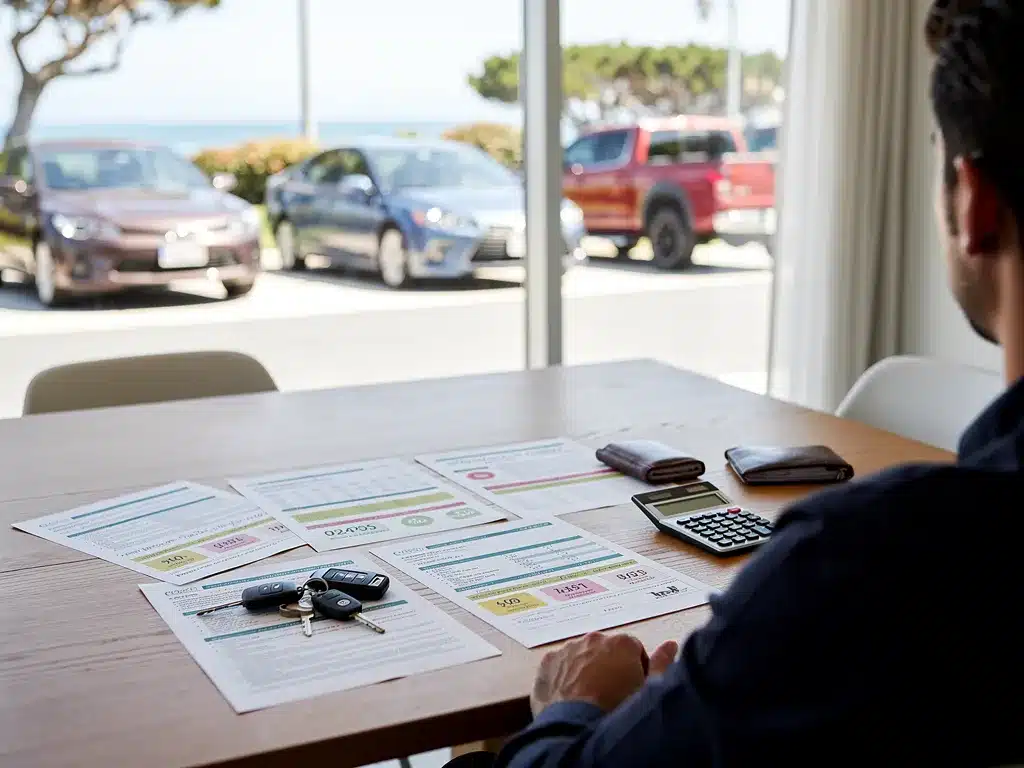
The best auto insurance is the right carrier for a specific driver profile, vehicle, and bundling situation. A driver with a clean record and a late-model sedan needs a different underwriter than a household with two teenage drivers and a luxury SUV. Coastal Insurance Solutions compares policies across multiple carriers to match each profile with the most competitive rate, in every state it serves. Drivers who skip this comparison step forgo meaningful savings every renewal cycle.

What Local Risk Factors Inflate Premiums?

Traffic congestion generates frequent collision claims in many metro areas. Proximity to coastlines, flood zones, or regions prone to severe storms raises comprehensive loss exposure. Repair costs also vary significantly by region, and often run higher than national benchmarks in major metro areas. These factors compound, and insurers price that accumulated risk into every policy. Because local conditions vary so much, speaking with an experienced advisor is the most reliable way to understand what’s driving a specific premium. For a closer look at coverage options, review the Affordable Auto Insurance Options breakdown.

What Are the Minimum Auto Insurance Requirements Drivers Need?

v5 72167 regen 29a55cde

Nearly every state requires drivers to carry liability insurance before a vehicle can legally operate, and many states also require personal injury protection and uninsured motorist coverage. Skipping any required protection leaves motorists exposed to severe financial and legal consequences. Because these requirements and dollar limits vary from state to state, the exact numbers for any given driver depend on where that driver is licensed and garages their vehicle.

A common framework many states follow is a split-limit structure, often written as 25/50/10: a minimum of $25,000 in bodily injury coverage per person, $50,000 in total bodily injury coverage per accident, and $10,000 in property damage liability. These figures illustrate the type of minimum a driver might encounter, though actual state requirements can be higher, lower, or structured differently.

What Does a Typical Minimum-Coverage Policy Cover?

Minimum coverage generally breaks down into a few distinct protection layers. Bodily injury liability pays for medical expenses when the policyholder causes an accident. Property damage liability handles repairs to another person’s vehicle or property. These minimums establish a floor, not a ceiling, and they are rarely enough to fully protect a driver’s assets.

Is Minimum Coverage Enough for Drivers?

There is a meaningful difference between having car insurance and having enough car insurance. Many drivers discover this gap only after a collision, at which point the policy in effect on the accident date cannot be changed retroactively. Minimums that satisfy legal requirements rarely cover actual accident costs, since vehicle repair bills and medical expenses routinely exceed baseline limits.

Because requirements and risk profiles differ so widely from state to state, this is exactly the kind of decision worth discussing with an experienced team rather than guessing. Coastal Insurance Solutions helps clients across the states it serves evaluate whether statutory minimums align with their asset protection needs, comparing policies across multiple carriers to identify coverage gaps before an accident exposes them.

Personal injury protection, commonly called no-fault coverage, pays medical bills regardless of who caused the crash. Uninsured motorist coverage steps in when an at-fault driver carries no insurance. Together with liability coverage, these three components form the backbone of most car insurance policies nationwide.

How Much Coverage Should Drivers Actually Carry?

v5 72167 regen bfb42c46

State minimums often leave drivers dangerously exposed. A $25,000 per-person, $50,000 per-accident liability limit can vanish quickly after a serious collision. Car insurance is a collection of different coverages bundled into one policy. Some coverage protects a driver when they injure someone else. Other coverage protects the driver and their family when someone else causes injury.

Why Do State Minimums Often Fall Short?

Medical bills and vehicle repair costs routinely exceed baseline state limits. A single overnight hospital stay or a totaled late-model vehicle can consume a $25,000 per-person liability cap before rehabilitation even begins. Drivers carrying only the required minimum face personal asset exposure for the remaining balance. Auto insurance policies built around higher limits shield savings, home equity, and future earnings from that gap.

What Coverage Levels Do Experts Recommend?

Insurance professionals commonly recommend liability limits well above the state minimum, often citing 100/300/100 as a sensible target for drivers with meaningful assets to protect. Coverage should also include uninsured motorist protection matching the liability limit. Roughly one in eight drivers nationwide operates without insurance, which multiplies the odds of encountering one on the road. Without adequate uninsured motorist protection, an injured policyholder absorbs medical costs and lost wages that another driver’s policy should have covered.

Because the right limit depends on a driver’s assets, state, and risk tolerance, this is worth a direct conversation rather than a one-size-fits-all number. Coastal Insurance Solutions’ experienced team helps clients compare policies from carriers like Chubb, AIG Private Client Group, and PURE to build coverage packages that close these gaps before a loss occurs.

What Discounts and Mistakes Affect Auto Insurance Rates?
v5 72167 regen bb525b53

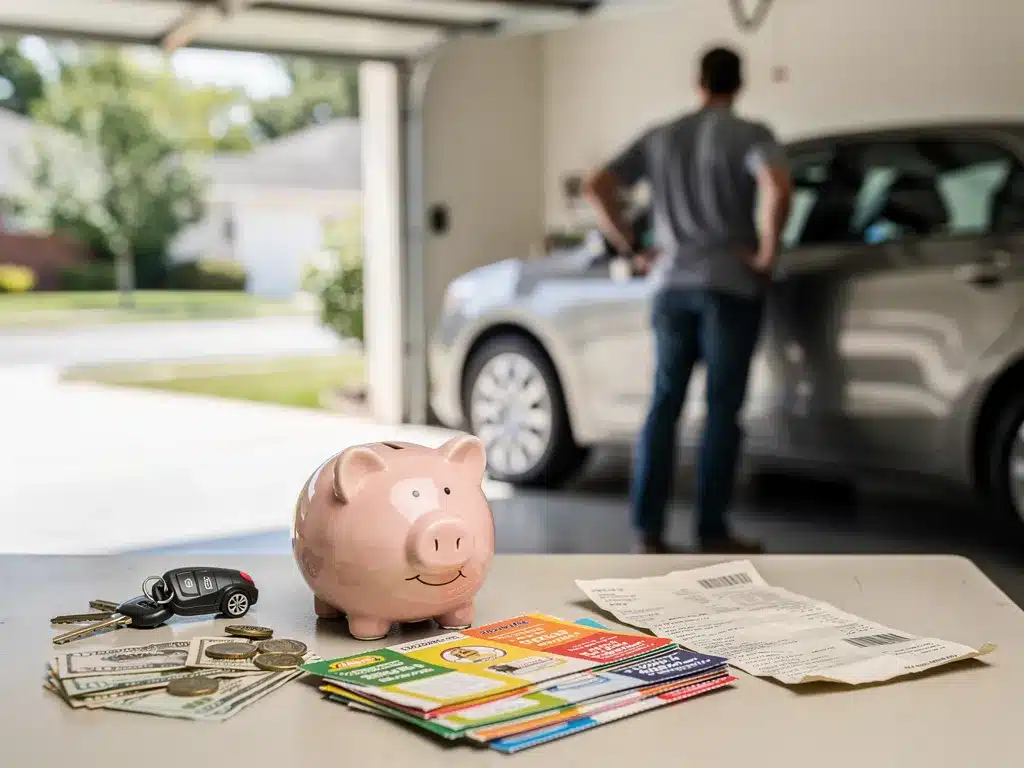
Drivers leave substantial premium savings unclaimed every year. Numerous discounts go unused by most policyholders, while a handful of common mistakes silently inflate car insurance rates month after month.

What Discounts Do Drivers Overlook?

The list of missed opportunities is long. Carriers offer reductions for safe driving records, multi-policy bundling, and vehicle safety features. Discounts for low annual mileage, paid-in-full premiums, and paperless billing also go unclaimed on many policies. Drivers who complete defensive driving courses often qualify for savings, which are mandated in some states. Students maintaining good grades and seniors completing refresher courses can unlock additional price breaks. The gap between available discounts and applied discounts represents pure financial loss.

What Common Mistakes Drive Up Premiums?

A handful of errors consistently cost policyholders money. Setting deductibles too low raises premiums unnecessarily. Failing to shop rates at renewal allows loyalty pricing to creep upward unchecked. Overlooking mileage reporting changes after a job switch or move inflates risk classification. Letting coverage lapse, even briefly, flags drivers as higher risk. Choosing minimum liability limits exposes personal assets to lawsuits that exceed policy caps.

How Should Drivers Secure the Best Rate?

No single carrier wins for every driver. The optimal policy matches a specific driver profile, vehicle type, and bundling situation. Comparing quotes side-by-side reveals which insurer prices that exact combination most favorably. Honest disclosure of driving history and vehicle use prevents mid-term premium adjustments. Coastal Insurance Solutions accesses multiple top-rated carriers across the states it serves to run these comparisons efficiently, matching clients with policies aligned to their actual risk profile rather than a generic rate table.

How Can an Independent Broker Simplify Car Insurance?

v5 72167 regen e4ec67c6

An experienced independent broker cuts through the complexity of car insurance by comparing policies from multiple carriers at once. Knowing how to find a car insurance broker starts with looking for an independent agency, one not tied to a single carrier, with a track record across many states. Coastal Insurance Solutions, a family-owned independent agency serving clients since 2001, now brings decades of expertise to drivers across many states. Drivers who shop alone often miss coverage gaps that a broker spots immediately.

The agency’s advisory model drives this process. Advisors evaluate each driver’s profile and map deductibles to risk tolerance, coordinating coverage that fits each household’s needs wherever they are located. This process replaces guesswork with a structured comparison.

What Carriers Does a Broker Access?

Coastal Insurance Solutions maintains relationships with leading carriers. The panel includes Chubb, AIG Private Client Group, PURE, Travelers, and Progressive. Side-by-side comparisons reveal premium differences and coverage nuances that single-carrier quotes hide.

How Does High-Value Auto Coverage Differ From Standard Policies?

The firm’s core competencies extend to high-value auto insurance for affluent clients nationwide. High-value auto coverage protects vehicles with replacement costs far exceeding standard policy limits. These programs bundle with broader personal insurance packages, including specialized liability protection. Clients receive coverage sets engineered for luxury assets rather than off-the-shelf policies.

Car insurance requirements demand more than minimum liability limits. A broker identifies the right carrier for each driver’s specific profile, wherever they are based. Coastal Insurance Solutions assembles options from its carrier network, presenting clear choices without sales pressure. The result is a policy matched to real exposure, not a generic quote. Because every state and every driver profile is different, the fastest way to find the right answer is to speak directly with Coastal Insurance Solutions’ experienced team.

FAQ

What are the minimum car insurance requirements for drivers?

Requirements vary by state, but most states mandate liability coverage, and many also require personal injury protection and uninsured motorist coverage before a vehicle can legally operate.

Why is car insurance so expensive in some areas?

Rates vary by region, with full coverage premiums commonly ranging from $1,200 to over $4,000 per year due to traffic density, weather exposure, and local repair costs.

How does Coastal Insurance Solutions help drivers find the best rate?

Coastal Insurance Solutions compares customized auto quotes from carriers like Chubb and Travelers across the many states it serves, matching each driver’s profile with the most competitive rate.

Conclusion

v5 72167 regen 50dc4c8f

Drivers who move beyond minimum limits and avoid common pricing mistakes secure coverage that protects their assets rather than just satisfying a legal requirement. Because requirements and risk factors vary so much from state to state, comparing policies through an experienced broker is the most reliable way to find the right coverage, and Coastal Insurance Solutions’ team is ready to walk any driver through that comparison, no matter where they’re located.

Need assistance now?

Give us a call:
(631) 782-3175

Homeowners Insurance Articles

About the Author

David W. Clausen is the CEO of Coastal Insurance Solutions. With over 20 years' experience and over 1 billion insured, David and Coastal Insurance Solutions are the recognized leaders in high net worth insurance. For the fifth consecutive year, David Clausen has been awarded Top Producer by Insurance Business America. David is a trusted high net worth insurance expert who’s published more than 200 articles. His articles & press releases have generated over 500K pageviews and has been featured on blogs such as Google News, Yahoo Finance, CNBC, Market Watch, Fox, The New York Times, etc. David founded Coastal Insurance Solutions in 2001 after earning a BBA from the State University of New York College at Oswego.

IBA's Top Retail Broker 2023
Digital badge for the 2023 Insurance Agents of the Year Award, featuring intricate design elements that symbolize excellence and achievement in the insurance industry.
IBA's Top Retail Broker 2023
Digital badge for the 2023 Insurance Agents of the Year Award, featuring intricate design elements that symbolize excellence and achievement in the insurance industry.

Helpful Home Insurance Articles